
Loft Conversion Ideas: Turning Your Attic Into a Home Office
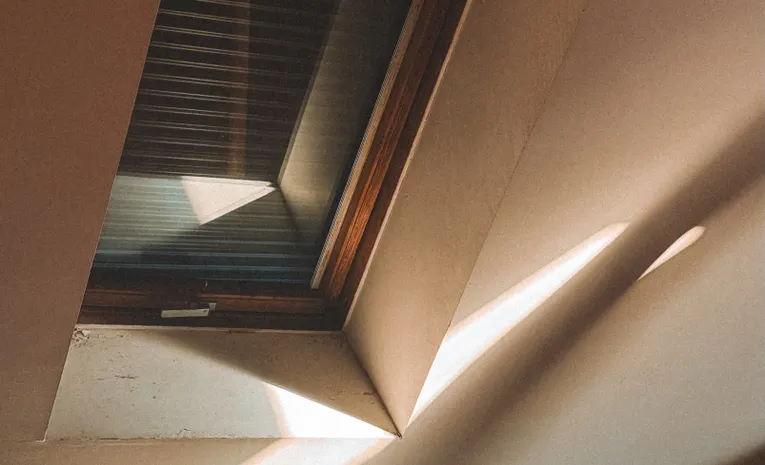
Loft conversions are consistently one of the most popular home improvement projects in the UK, and it is easy to see why. Converting an unused attic into a home office, bedroom, or extra living space adds genuinely usable square footage without extending the property’s footprint, making it a practical option for homes where extending outward is not possible or affordable.
Is Your Loft Suitable for Conversion?
Before planning anything, the loft needs to be assessed for basic feasibility. As a general guide, a minimum height of around 2.2 to 2.3 metres from the joist to the apex of the roof is needed to create a comfortable, usable room, with at least 2 metres of clearance required above the position of any staircase. If your loft falls short of this, a conversion may still be possible with structural changes, but the cost and complexity increase considerably.
Do You Need Planning Permission?
Many loft conversions fall under permitted development rights in England, meaning formal planning permission is not required, provided the work stays within certain volume and height limits and does not extend beyond the existing roof slope facing a highway. Conversions in conservation areas, listed buildings, or those exceeding permitted development limits will need full planning permission. Building Regulations approval is required regardless of planning permission status, since it covers structural safety, fire escape routes, and insulation standards.
Types of Loft Conversion
Rooflight (Velux) Conversion
The simplest and most affordable option, adding windows directly into the existing roof slope without altering its shape. This works well where the existing headroom already meets minimum requirements.
Dormer Conversion
A dormer extension projects vertically from the roof slope, adding both headroom and floor space. This is one of the most common conversion types in the UK, offering a good balance of cost and usable space gained.
Hip-to-Gable Conversion
Suited to properties with a hipped (sloped) roof end, this extends the sloped side of the roof outward to create a vertical gable wall, significantly increasing usable space, particularly common on semi-detached and detached homes.
Mansard Conversion
The most extensive and expensive option, replacing one or both roof slopes with a near-vertical structure to maximise internal space. This typically requires full planning permission due to the scale of the structural change.
Turning a Loft Into a Home Office
With hybrid and remote working now a permanent fixture for many UK households, a loft home office has become one of the most popular conversion choices. A well-insulated, properly ventilated loft office offers separation from the rest of the household, genuine quiet, and natural light from rooflights or dormer windows, without sacrificing a bedroom elsewhere in the house.
Costs of a Loft Conversion in the UK
| Conversion Type | Typical UK Cost Range |
|---|---|
| Rooflight (Velux) conversion | £15,000 to £25,000 |
| Dormer conversion | £25,000 to £45,000 |
| Hip-to-gable conversion | £30,000 to £50,000 |
| Mansard conversion | £45,000 to £70,000+ |
Costs vary considerably depending on property size, structural complexity, and finish quality, so always get several detailed quotes before committing.
Insulation and Building Regulations
A converted loft needs to meet current Building Regulations insulation standards, both for energy efficiency and to prevent condensation forming within the roof structure. This is a good opportunity to address wider loft insulation while the roof structure is already being worked on, rather than treating it as a separate future project.
Frequently Asked Questions
Do I need planning permission for a loft conversion?
Many loft conversions fall under permitted development rights and do not need planning permission, though this depends on the size, type of conversion, and whether the property is in a conservation area or is a listed building. Building Regulations approval is always required regardless.
How much headroom do I need for a loft conversion?
A minimum of around 2.2 to 2.3 metres from the joist to the roof apex is generally needed for a comfortable, usable room without significant structural alteration.
Which type of loft conversion adds the most value?
Dormer and hip-to-gable conversions typically add the most usable space relative to cost, and are often cited by estate agents as delivering strong value when a property is eventually sold.
Related Reading
About the author: This guide was written by the Routen House editorial team.