Starting your own garden is one of the most satisfying things you can do. Whether you want fresh vegetables, beautiful flowers, or a peaceful outdoor space, gardening offers both physical and mental rewards. Even if you’ve never planted anything before, you can successfully grow a garden with the right approach.
Beyond just producing food, gardening helps reduce stress, improves your connection with nature, and gives you a sense of achievement. Many beginners are surprised to see how a small effort can turn into a productive and beautiful space within a few months.
In this guide, you’ll learn everything step by step, from selecting the right location to caring for your plants and avoiding common mistakes.
Visit the homepage for the latest updates.
Choosing the Right Location for Your Garden
The success of your garden starts with choosing the right place. A poor location can make gardening difficult, while a good one makes everything easier.
Look for a spot that:
- Gets enough sunlight
- Has good drainage
- Is close to a water source
- Is easy to access daily
A garden near your home is always better because you’ll check it more often and notice problems early.
Understanding Sunlight Needs
Sunlight plays a key role in plant growth. Most vegetables need at least 6–8 hours of direct sunlight daily.
Plants that need full sun:
- Tomatoes
- Peppers
- Cucumbers
- Squash
If your space has less sunlight, you can still grow:
- Lettuce
- Spinach
- Kale
- Herbs
Tip: Observe your garden area during the day to see where sunlight falls the most.
Preparing Healthy Soil
Good soil is the foundation of a successful garden. Plants grow best in soil that is rich, soft, and full of nutrients.
Why Soil Matters
Healthy soil:
- Holds water properly
- Provides nutrients
- Supports strong root growth
Improving Your Soil
You can improve almost any soil by adding:
- Compost
- Organic matter
- Aged manure
Mixing compost into your soil helps plants grow faster and healthier over time.
Planning Your Garden Layout
Before planting, take a few minutes to plan your garden.
Think about:
- Plant spacing
- Height of plants
- Easy movement between rows
Raised Beds vs Ground Gardening
Raised Beds:
- Better drainage
- Easier to manage
- Good for beginners
Ground Gardening:
- Lower cost
- Better for large areas
- Suitable for spreading plants
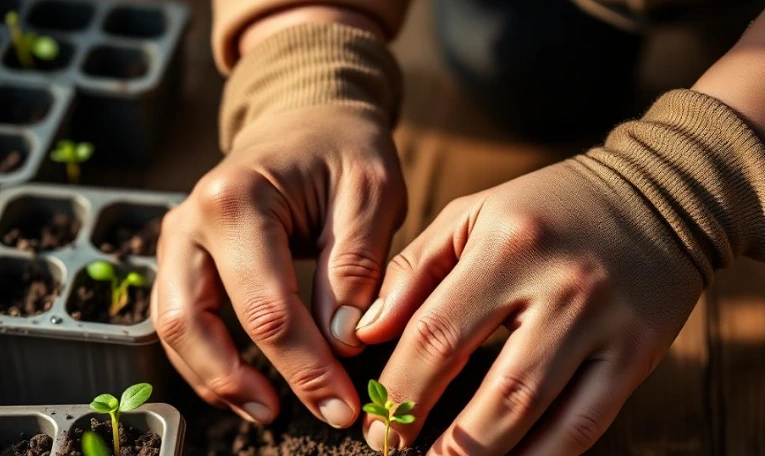
Planting Seeds and Seedlings
This is where gardening really begins.
Starting from Seeds
Growing from seeds is affordable and gives you more options. Some plants grow better when started indoors, especially:
- Tomatoes
- Peppers
- Herbs
Direct Planting
Some plants should be planted directly in soil:
- Carrots
- Beans
- Radishes
- Peas
Transplanting Tips
When moving plants outside:
- Do it in the evening or cloudy weather
- Water them well
- Give them time to adjust
Watering and Daily Care
Watering is one of the most important parts of gardening.
Most plants need about:
1–2 inches of water per week
Best Watering Tips:
- Water deeply, not lightly
- Avoid watering leaves too much
- Water early in the morning
Daily care also includes:
- Removing weeds
- Checking for pests
- Harvesting regularly
Even 10 minutes daily can keep your garden healthy.
Natural Pest Control Methods
Pests are a normal part of gardening, but you don’t need chemicals to deal with them.
Simple Natural Methods:
- Remove pests by hand
- Use water spray
- Apply neem oil
- Grow pest-repelling plants
Helpful Plants:
- Marigold → keeps insects away
- Basil → protects tomatoes
- Mint → repels pests
Healthy plants are naturally more resistant to pests.
Common Mistakes Beginners Should Avoid
Many beginners struggle because of simple mistakes.
1. Starting Too Big
Start small and manage it well.
2. Overwatering
Too much water damages roots.
3. Wrong Plant Choice
Choose plants suitable for your climate.
4. Ignoring Soil Quality
Poor soil leads to poor results.
5. Planting Too Close
Plants need space to grow properly.
Seasonal Gardening Guide
Spring
- Prepare soil
- Start planting early crops
- Begin seeds indoors
Summer
- Water regularly
- Harvest crops
- Watch for pests
Fall
- Collect seeds
- Add compost
- Plant winter crops
Winter
- Plan your next garden
- Maintain tools
- Improve soil
FAQs
What is the easiest way to start a garden?
Start with a small area, choose easy plants, and focus on basic care like watering and sunlight.
How much space do I need for a garden?
Even a small space like a balcony or a 4×4 area is enough to start a garden.
What are the best plants for beginners?
Lettuce, tomatoes, herbs, beans, and radishes are great for beginners.
How often should I water my garden?
Water your garden 2–3 times per week, depending on weather conditions.
Can I grow a garden without chemicals?
Yes, you can use natural methods like compost, neem oil, and companion planting.
Conclusion
Gardening is a journey that improves with time and experience. You don’t need to be perfect to get started. With patience, consistency, and the right knowledge, you can build a garden that provides both beauty and fresh produce.
Start small, stay consistent, and enjoy the process, your garden will grow along with your skills.