
How to Maintain and Repair a Wood Shingle Roof
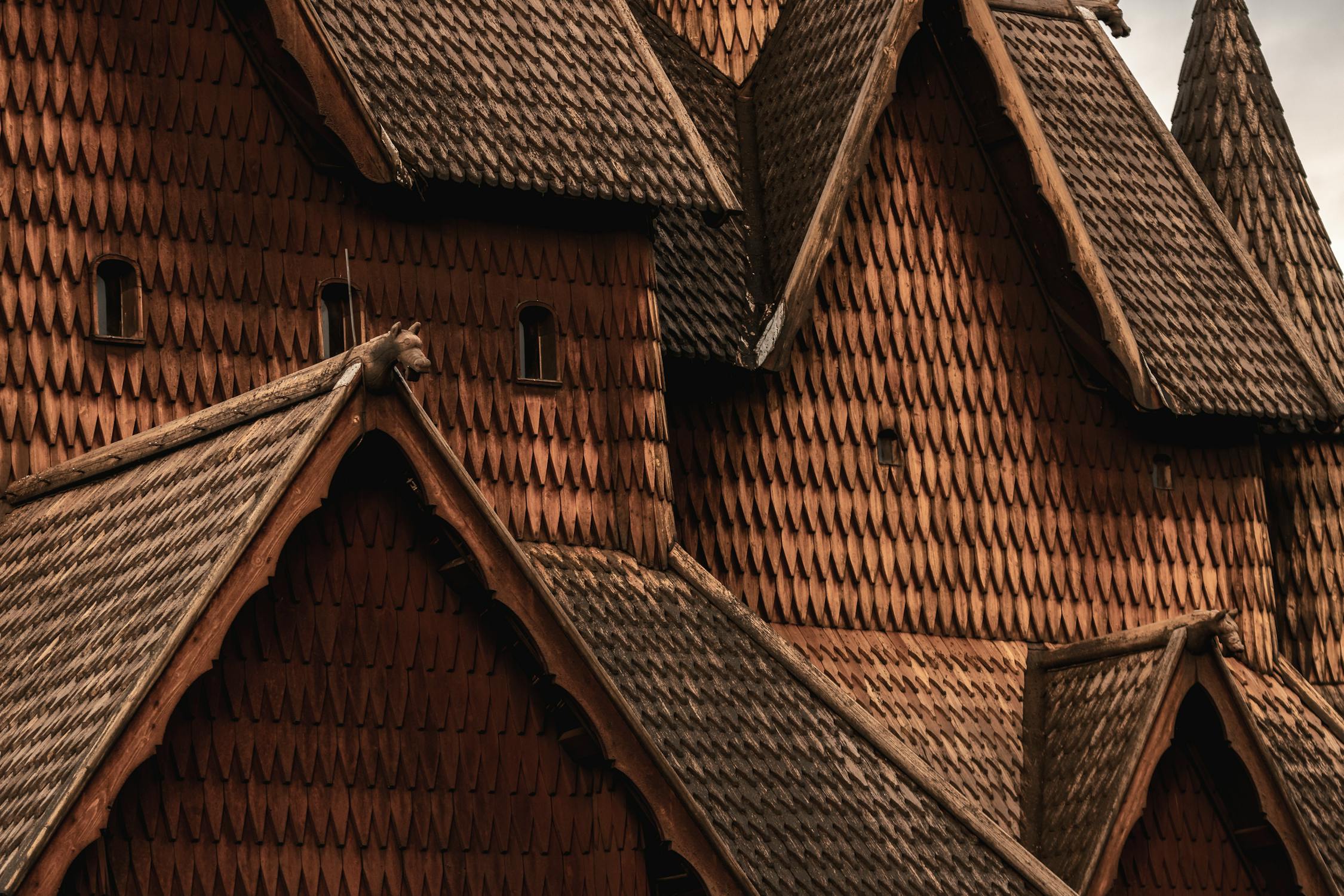
Wood shingle and shake roofs are far less common in the UK than in North America, largely due to UK building regulations and fire safety considerations, though they can still be found on some period properties, conservation area buildings, and architecturally distinctive homes. If your property has one, understanding basic maintenance and repair can help extend its life considerably.
Basic Maintenance
One of the most important steps in keeping wood shingles or shakes in good condition is making sure gutters stay clear of debris and that overhanging branches are cut back promptly. Trapped leaves and damp debris sitting against wood roofing accelerates decay significantly.
Moss, lichen, and algae can also develop on wood roofing over time. Rather than reaching for household bleach, which can be corrosive to wood over repeated use, a proper soft wash roof cleaning treatment or a specialist wood-safe roof cleaning solution is a gentler, more appropriate option for organic growth on this type of roofing.
Types of Wood Roofing
There are two main types of wood roofing material. Shingles are sawn, giving them a smooth, uniform surface. Shakes are split rather than sawn, giving them a rougher, more rustic appearance. Both typically range from around 40cm to 60cm in length. Most are made from red cedar, prized for its natural durability and resistance to insect damage, though preservative-treated pine and other timbers are also used by some manufacturers.
Whichever material is used, it is worth keeping at least one spare bundle from the original installation, so any future repairs use matching material rather than a visibly different replacement.
Treatments That Extend Roof Life
Left untreated, a wood roof can begin decaying within as little as ten years. With proper treatment, the same roof can last two to three decades or more. Specialist wood preservative treatments, available from timber merchants and specialist roofing suppliers, are designed specifically for this purpose. Always follow the manufacturer’s instructions closely, since application methods vary. Full immersion generally gives the most thorough protection, though a generous brushed application can also give good coverage where immersion is impractical.
Fixing Curled Shingles
Wood shingles can curl away from the roof surface over time as they weather. This can often be corrected without full replacement.
- Handle curled shingles carefully, since ageing wood becomes brittle and can crack easily during flattening.
- Gently flatten the curled edge and reattach it using a generous application of roofing cement, particularly at the corners, pressing it firmly back into place.
- Weight the shingle down with a heavy object while the cement sets, holding it flat until the curl has been corrected.
Repairing a Cracked Shingle
A minor crack rarely needs a full shingle replacement.
- For a crack under about 6mm wide, remove any loose splinters first.
- Secure the larger remaining pieces with galvanised roofing nails, taking care that nail heads do not sit directly on a crack, since this can worsen the split.
- Finish with a quality roofing cement over the repair.
- For wider cracks, a sheet metal patch is generally the better option. Slide the metal patch beneath the crack until it extends past the upper edge of the damage.
- Secure with galvanised nails, taking care not to crack the shingle further, then seal the repair with roofing cement over both the crack and any exposed nail heads.
Replacing a Shingle That Cannot Be Repaired
- Broken shingles that are beyond repair need to be removed entirely. Prise them free with a chisel or, where the damage allows, by hand, always working in a downward and outward motion to avoid disturbing neighbouring shingles.
- Where nails are holding a broken shingle firmly in place, a hacksaw may be needed to cut through them cleanly. Cut evenly and lever the shingle up gently to access the nails without cracking it further or damaging adjacent shingles.
- Once the broken shingle is fully removed, cut away any remaining nails with the hacksaw, taking care not to damage the roof decking underneath.
- Cut the replacement shingle around 1cm narrower than the gap, to allow for natural expansion when the wood gets wet. Fit it into place using a hammer and a block of wood to avoid direct impact damage, then nail it down and cover any exposed nail heads with roofing cement to finish.
Frequently Asked Questions
Are wood shingle roofs common in the UK?
They are relatively uncommon compared with tile or slate, largely due to fire safety regulations and building control requirements, but they do still appear on some period and architecturally distinctive properties.
How long does a wood shingle roof last in the UK climate?
With proper treatment and maintenance, a wood shingle or shake roof can last two to three decades or more, though the UK’s damp climate makes regular maintenance particularly important compared with drier regions.
Can I clean a wood shingle roof with bleach?
It is generally better avoided, since bleach can be corrosive to wood over repeated use. A soft wash treatment or specialist wood-safe cleaning solution is a gentler option for removing moss, lichen, or algae.
Related Reading
- When to Replace Your Roof: Signs, Costs and Smart Repair Tips
- The Easy Ways to Deal With Your Roof Problems
About the author: This guide was written by the Routen House editorial team.