
The Easy Ways To Deal With Your Roof Problems
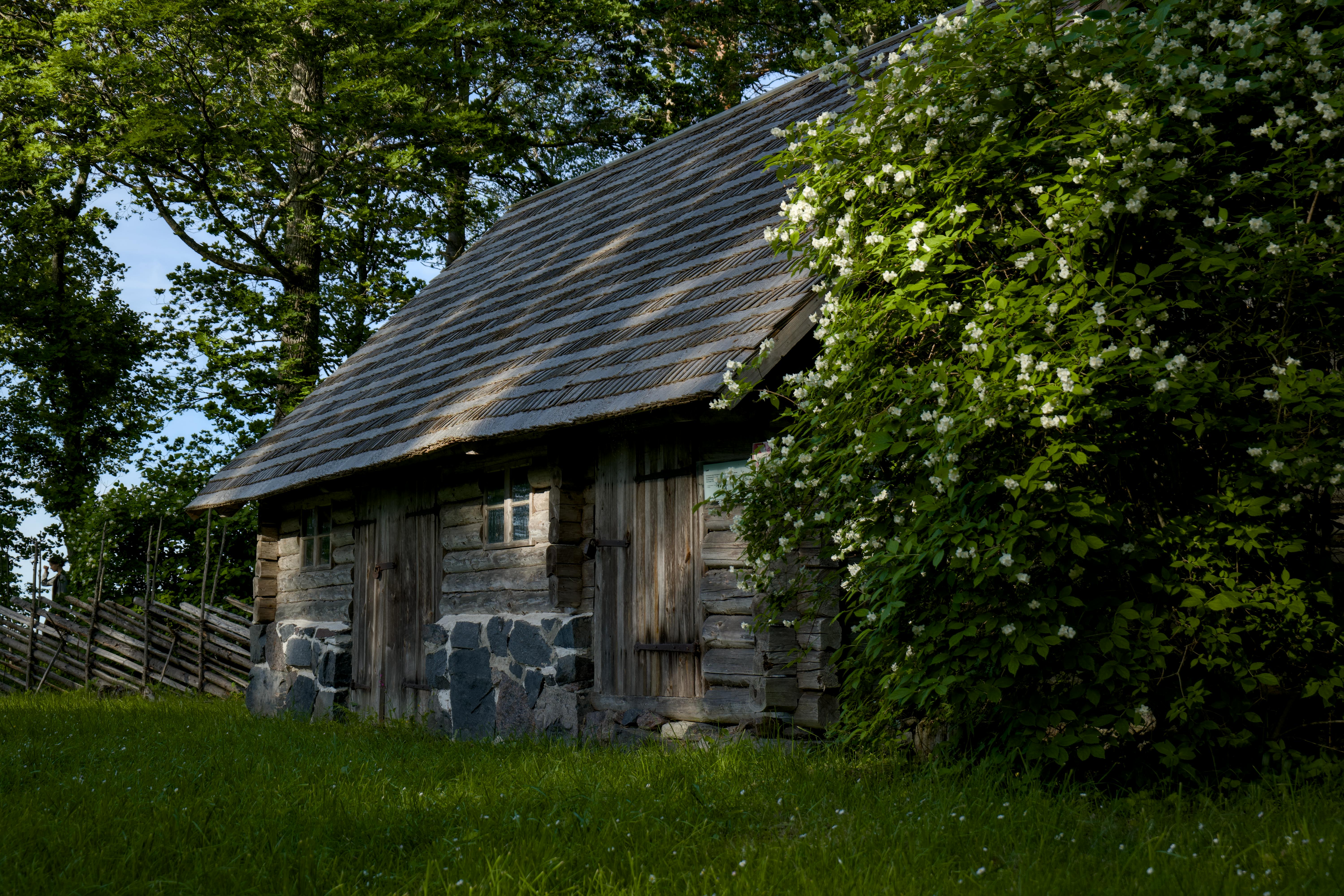
As a homeowner, keeping your roof in good condition is one of the more important, if less glamorous, parts of maintaining your property. Whether it is preventative maintenance or making sure repairs are done properly, a few sensible precautions can save considerable expense and stress down the line.
Choosing a Roofing Contractor
Never hire a roofing contractor who cannot supply references from previous customers. Roof repairs and replacements are a significant expense, and poor workmanship can lead to water damage inside your home that costs far more to put right than the original job. Always ask for references, and where possible, look at examples of previous work before committing.
Only hire a roofer who holds appropriate insurance and, ideally, membership of a recognised trade body such as the National Federation of Roofing Contractors (NFRC). If a worker is injured on site, or something goes wrong that damages your property, proper insurance protects you from being left to cover the cost. Do not simply take a contractor’s word for it. Ask to see the actual insurance documents and confirm they are current.
Finding a Leak Before It Becomes Obvious
It might sound counterintuitive, but one of the best times to look for the source of a leak is during dry weather. Look out for signs such as mould in corners, unusually dark ceiling patches, or damp insulation in the loft. These clues often point to where water has been getting in, even once the immediate leak has dried up. If your loft itself needs attention, our guide on loft vacuuming covers clearing dust and old insulation.
What Not to Use When Cleaning a Roof
Avoid using bleach to clean roofing materials. While bleach is effective on many surfaces around the home, its corrosive chemical content can damage roofing materials over time, weakening them rather than simply cleaning them. A gentler soft wash roof cleaning approach is generally far safer for both tiles and slate.
Repairing and Sealing Problem Areas
After a thorough inspection and clean, patch and seal any problem areas promptly. Check the weather forecast before starting, since sealants and coatings can take up to two days to cure fully, and rain during this window can compromise the repair. Apply any final sealant or coating only once the underlying patch has properly cured.
Asking About Warranties
Always ask a roofing contractor what warranty they offer on both materials and workmanship. Get any warranty terms in writing alongside the quote, so there is no ambiguity later if a problem arises and the terms of the agreement need to be checked.
Roofing is only one part of maintaining a home, but it is one of the most important. Keep these roofing considerations in mind whether you are planning a repair, a full replacement, or simply trying to extend the life of your current roof.
Frequently Asked Questions
Why look for a roof leak in dry weather?
Signs such as staining, mould, or damp insulation often remain visible well after the rain has stopped, making dry weather a safer and easier time to trace where water has been entering.
Why shouldn’t I use bleach on my roof?
Bleach is corrosive and can gradually weaken roofing materials with repeated use, even though it is effective as a general household cleaner elsewhere in the home.
What should I check before hiring a roofing contractor?
Always confirm they hold current, comprehensive insurance, ask for references from previous customers, and get any warranty terms in writing alongside your quote.
Related Reading
About the author: This guide was written by the Routen House editorial team.