
When to Replace Your Roof: Signs, Costs, and Smart Repair Tips
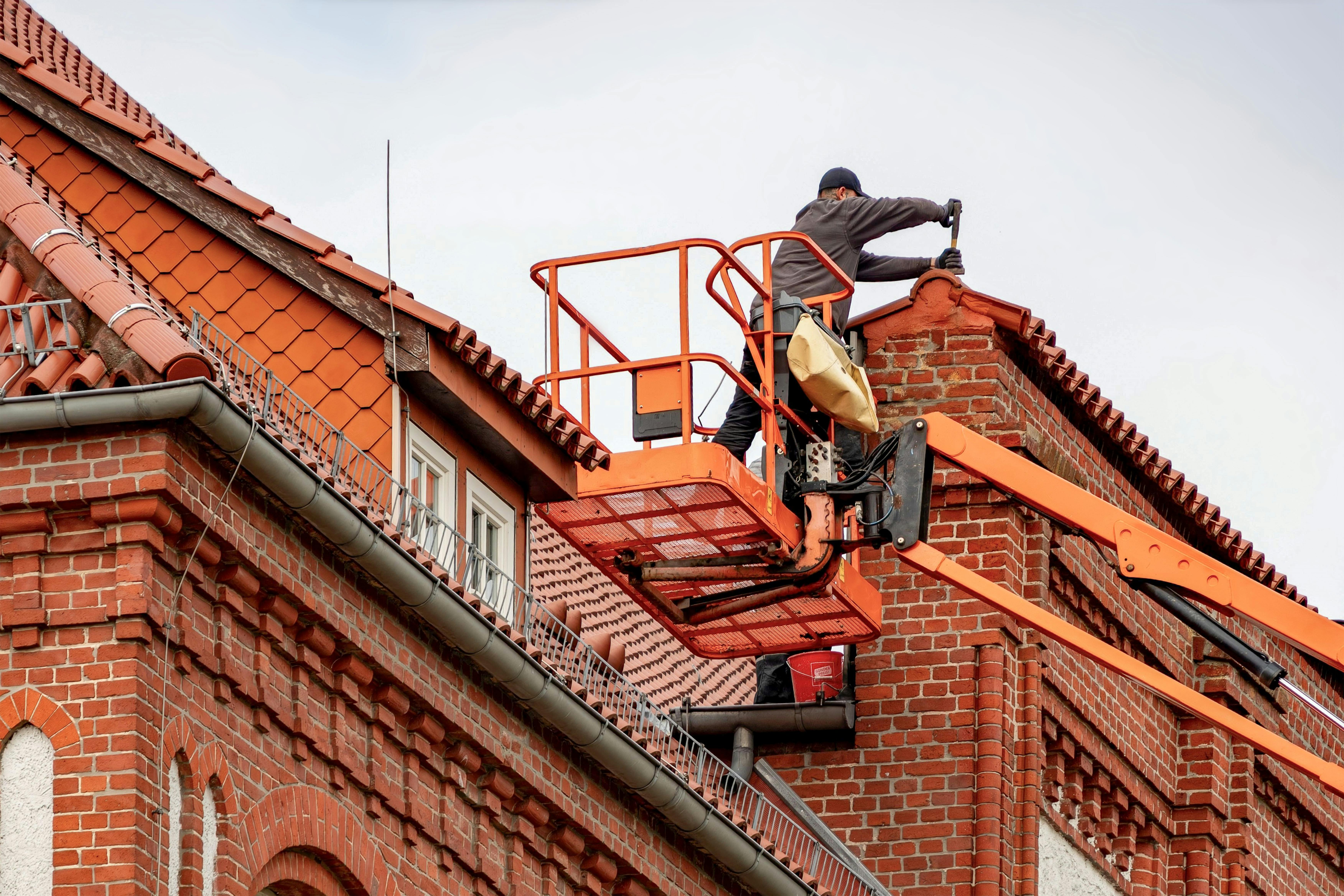
Repairing or Replacing Your Roof
There comes a point when every roof needs replacing, but timing matters. Replace it too soon and you are wasting money on a roof that still had years of life left. Leave it too long and you risk water damage from leaks, which can be considerably more expensive to put right. Knowing when to replace your roof means learning how to assess its condition and spot the early signs of failure. Spot repairs make sense if most of the roof is still in decent shape, but if it looks generally worn, or is more than 20 to 25 years old, it is worth seriously considering a full replacement. Our companion guide on telling repair from replacement covers the warning signs in more depth.
Know the Early Signs of a Leak
Checking your roof’s condition regularly lets you plan ahead for repairs rather than reacting to an emergency. Early signs of a leaking roof include paint peeling just beneath the roof’s overhangs, dark patches on ceilings, and damp spots near a chimney breast. From outside, use binoculars to check for rust spots on flashing, cracked or perished sealant, and any visibly damaged tiles or slates.
Other warning signs include worn areas around chimneys and roof lights, cracked or slipped tiles, and gutters filling with grit or granules washed off ageing roofing material. Heavy moss or lichen growth is also worth noting, since underneath it the roofing material can be decaying without being obviously visible, which is one reason regular soft wash roof cleaning is worth considering.
If you spot any of these signs, or your roof is simply getting on in years, it is worth arranging a professional assessment. Some roofing companies offer free inspections, while others charge a modest fee, but given how much of an investment a roof represents, it is generally money well spent.
When Do Repairs Make Sense?
If there is a small, localised leak and the rest of the roof is in good condition, a targeted repair using roofing sealant or replacing a handful of tiles may be all that is needed, though even a modest repair can run into a few hundred pounds once labour and access are factored in. If the damage resulted from something sudden and unforeseen, such as storm damage, your home insurance may cover the cost of repairs. In the meantime, limiting further damage matters, whether that means a professional temporarily tarping the area or placing buckets to catch an active leak.
Costs of Re-Roofing in the UK
If the existing roof covering needs stripping back completely and replacing with new tiles, costs commonly range from around £70 to £120 per square metre depending on the material chosen, with concrete tiles at the more affordable end and natural slate considerably more expensive. In some cases it may be possible to overlay new material onto existing roofing rather than stripping it back, which can reduce costs, though this is not always suitable and may not last as long or allow for the same structural upgrades. An overlaid roof can also look uneven, which is worth bearing in mind if you are planning to sell, since buyers may wonder what else has been finished to a lower standard.
Factor In Hidden Costs
When comparing quotes, do not judge purely on the total figure. One quote might include quality breathable roofing felt and better fixings designed to protect against wind-driven rain, while a cheaper quote may have cut corners on materials that are not immediately visible. Quotes can also vary in what they include, such as disposal of the old roofing material, scaffolding costs, and rates for any additional structural repairs found once work begins.
Once you have chosen a contractor, confirm they are appropriately insured and, ideally, a member of a recognised trade body such as the NFRC. Ask what happens if your garden or driveway is damaged during the work, and try to schedule roofing work during a settled dry spell, since an exposed roof mid-repair is vulnerable if the weather turns.
Getting the Most From a New Roof
A new roof is a significant expense, but it is also an opportunity to improve your home beyond simply replacing what was there before. Some roofing materials offer better fire resistance or improved durability against extreme weather, and adding insulation upgrades at the same time can improve your home’s energy efficiency considerably. It is also worth checking with your home insurance provider, since some insurers offer more favourable terms for homes with a newer, well-maintained roof.
Frequently Asked Questions
How long does a typical UK roof last?
Concrete or clay tiles often last 50 years or more with proper maintenance, while natural slate can last even longer. Some felt or lower-cost roofing systems have a shorter typical lifespan, often 20 to 30 years.
Will my home insurance cover roof repairs?
This depends on the cause. Sudden, unforeseen damage, such as storm damage, is often covered, while gradual wear and tear from age is generally not, so it is worth checking your policy’s specific terms.
Is it cheaper to repair or fully replace a roof?
A targeted repair is almost always cheaper in the short term, but if a roof is old and showing widespread issues, repeated repairs can eventually cost more than a single full replacement.
Related Reading
- How to Tell If Your Roof Needs Repair or Replacement
- The Easy Ways to Deal With Your Roof Problems
- When to Call the Roof Repair Guy?
About the author: This guide was written by the Routen House editorial team.