
The 2026 Rent-vs-Buy Calculation Has Changed
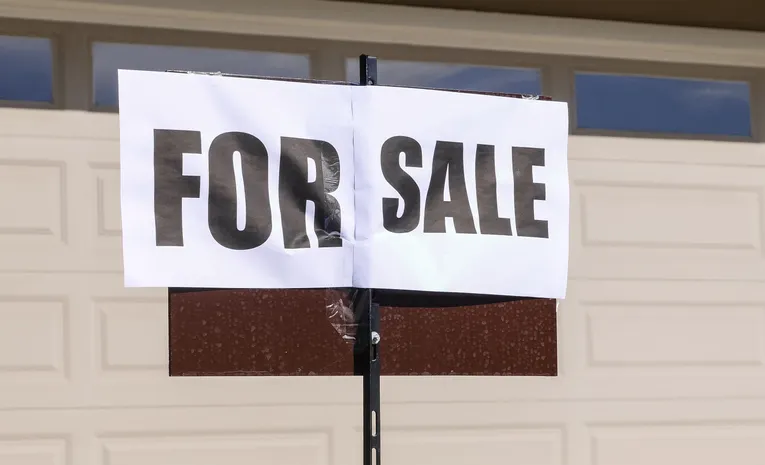
The 2026 Rent-vs-Buy Calculation Has Changed: Here’s What That Means for You
The real estate financial landscape is shifting, so the traditional rent-vs-buy debate requires new considerations. Here is guidance on whether homeownership or renting would best meet your needs and goals.
The State of the Rental Market
In recent years, renters have found themselves in a poor position. Competition for limited rental units has driven up costs, with rent increasing faster than wages for many renters. The United States Census Bureau found that 49.7% of renters spent over 30% of their income on rent and utilities in 2023.
High rental costs have made it difficult for some individuals to efficiently save for a down payment and pay off other financial obligations, such as student loans. Consequently, many renters remain where they are. Real estate experts are reporting 30% tenant turnover, which is lower than the industry average of 50%. This decrease has been attributed to:
- An unaffordable for-sale housing market.
- General economic uncertainty.
- Limited rental availability in desired areas.
- The financial burdens associated with
While the rental market has been challenging, several factors are now shifting the broader housing landscape. These changes are redefining the rent-vs-buy debate for many people.
Key Factors Redefining the 2026 Housing Market
The real estate market is dynamic, so several economic and industry drivers have changed the rent-vs-buy calculation.
High Mortgage Rates
Traditionally, if an individual could afford a mortgage, they bought a house to build equity over time. According to the Census Bureau, monthly mortgage payments have risen for homeowners due to increasing property taxes, homeowners’ insurance premiums, interest rates, and more.
However, recent market movements suggest a potential reprieve for prospective buyers. The average rate for a 30-year fixed mortgage was below 6% in March 2026, a level not seen since 2022. This may translate to hundreds of dollars in savings.
Rental Unit Availability
The construction of more apartment buildings and townhomes has expanded the rental market. National Mortgage Professional found that 33.1% of rentals were in multifamily buildings with 20 or more units in 2024. They may offer lower up-front costs and higher flexibility for moving, although they do not earn equity or direct tax benefits. Renters also save on maintenance costs, which landlords typically cover.
Inflated Construction Costs
Inflated expenses for new construction, upkeep, and renovations are a consequence of rising costs for materials, tools, and labor. Tax Credit Advisor reports that total project costs have increased by 4% to 6%, and tariffs are expected to remain at approximately current levels throughout the year.
New Tax and Insurance Regulations
Economic and environmental pressures drive property regulations. The State and Local Tax deduction is currently capped at $10,000 per household, but may rise in 2026. Additionally, the Inflation Reduction Act of 2022 expanded several tax credits for homeowners who invest in energy-efficient upgrades, such as solar panels, heat pump,s or new windows. These credits directly lower the net cost of home maintenance and improvement.
The property insurance landscape is also impacting the rent-vs-buy decision. It may be more difficult to find suitable property insurance in high-risk climates, such as California, Louisiana, and Florida. In these zones, many private insurers are withdrawing due to escalating disaster risk. State-run plans, which generally offer limited coverage, are getting more traction.
How to Make a Personalized Calculation
In 2026, the increasing demand for low-maintenance and energy-efficient homes is boosting both resale and rental values. Prospective buyers and renters should apply the current market landscape to their personal circumstances to make an informed decision.
Calculate the Break-Even Point
In real estate, the break-even point is when the total cost of purchasing a home falls below the total cost of renting a comparable property. It’s typically measured in years and weighs the immediate costs of purchasing a home, including the down payment and closing costs, against potential tax deductions, appreciation, building equity and other financial upsides.
Factoring in Lifestyle, Career, and Long-Term Goals
When deciding between buying and renting, consider several areas of your life. Renting may be more preferable if you are in a transitional phase of life. It allows for quick relocations, requires fewer maintenance responsibilities, and does not require a down payment. Students and young adults often prefer rental units.
Alternatively, buying a house may be a better investment if you are seeking stability and want more control over customizing and maintaining a space. It is suitable for individuals with stable careers or those building a family. You will also gain equity and tax benefits through homeownership.
Buying vs. Renting in 2026
Buyers can confidently navigate the 2026 housing market, and renters can leverage flexibility for financial advantages. While the decision is not one-size-fits-all, you can find a high-quality home by understanding the current real estate landscape and how your lifestyle factors in.