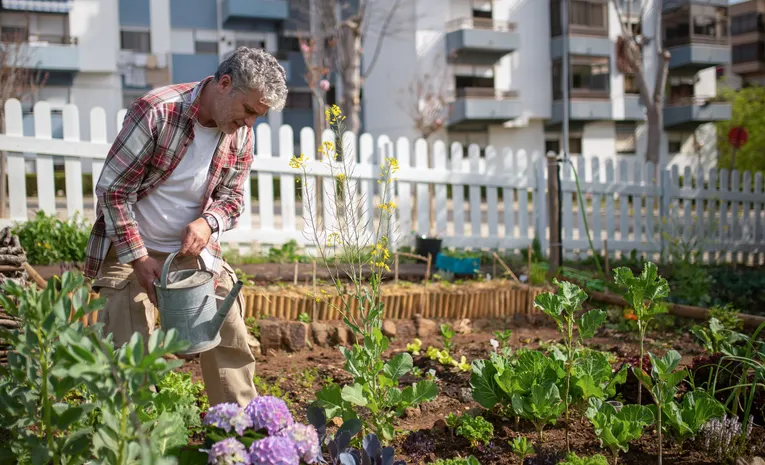
Growing a garden is one of the most rewarding activities you can undertake. Whether you dream of harvesting sun-ripened tomatoes, fragrant herbs, or colorful flowers, this comprehensive guide will walk you through every step of creating your own thriving garden. From choosing the ideal location to mastering organic pest control, we’ll cover everything you need to know to grow a garden successfully, even if you’ve never planted a single seed before.
The benefits of home gardening extend far beyond fresh produce. Gardening reduces stress, provides gentle exercise, connects you with nature, and can significantly reduce your grocery bills. According to the National Gardening Association, a well-maintained vegetable garden can yield an average of $600 worth of produce from a $70 investment in seeds and supplies.
In this guide, you’ll discover proven techniques for starting a garden from scratch, learn which plants are best suited for beginners, and gain the knowledge to troubleshoot common challenges. By the end, you’ll have the confidence to create a beautiful, productive garden that flourishes season after season.
Choosing the Perfect Location for Your Garden
The location of your garden is perhaps the most critical decision you’ll make. A well-chosen spot sets the foundation for healthy plant growth, while a poor location can lead to frustration and disappointing harvests regardless of how much care you provide.
When evaluating potential garden sites, consider factors such as sunlight exposure, drainage, proximity to water sources, and protection from strong winds. Ideally, your garden should be convenient to access; the closer it is to your home, the more likely you are to tend it regularly and notice problems early.
Understanding Sunlight Requirements
Most vegetables and many flowers require full sun, defined as at least 6-8 hours of direct sunlight per day. Fruiting plants like tomatoes, peppers, squash, and cucumbers are particularly sun-hungry and will produce poorly in shaded conditions.
However, if your space receives less sun, don’t despair. Leafy greens such as lettuce, spinach, kale, and arugula can thrive with just 3-4 hours of direct light. Root vegetables like beets and carrots also tolerate partial shade. Observe your potential garden site throughout the day to understand how shadows from trees, buildings, and fences affect sunlight exposure.
Pro Tip: Track Your Sunlight
Take photos of your potential garden area every 2 hours on a sunny day. This creates a visual record of shadow patterns and helps you identify the sunniest spots for your most light-demanding plants.
Preparing Your Soil for Planting Success
Healthy soil is the foundation of every successful garden. Unlike container growing, where you control the entire medium, in-ground gardening requires you to work with and improve your existing soil. Understanding your soil’s composition and needs is essential for growing a thriving garden.
Testing Your Soil
Before adding amendments, it’s wise to test your soil. A soil test reveals crucial information about pH levels, nutrient content, and the percentage of organic matter. Most county extension offices offer affordable soil testing services, or you can purchase home testing kits from garden centers.
Most vegetables prefer slightly acidic to neutral soil with a pH between 6.0 and 7.0. If your soil is too acidic, you can raise the pH with garden lime. If it’s too alkaline, sulfur or aluminum sulfate can help lower it. Addressing pH issues before planting ensures your plants can access the nutrients they need.
Amending & Enriching Your Soil
Regardless of your soil type, adding organic matter improves structure, drainage, and fertility. Compost is often called “black gold” by gardeners for good reason; it feeds beneficial soil microorganisms, improves water retention in sandy soils, and enhances drainage in clay soils.
Aim to incorporate 2-4 inches of compost into your garden beds each season. Other valuable amendments include aged manure (never fresh), leaf mold, worm castings, and coconut coir. These organic materials break down slowly, continuously releasing nutrients and improving soil texture over time.
Planning Your Garden Layout
A well-planned garden layout maximizes productivity, minimizes pest problems, and makes maintenance easier. Before planting, take time to sketch your garden on paper or use a digital garden planning tool. Consider factors like plant heights (place tall plants where they won’t shade shorter ones), spacing requirements, and succession planting opportunities.
Raised Beds vs. In-Ground Gardens
Raised bed gardens have surged in popularity, and for good reason. They offer excellent drainage, reduce soil compaction, provide better pest control, and allow you to fill them with a premium soil mix regardless of your native soil conditions. Raised beds are also easier on your back and knees.
In-ground gardens, however, are less expensive to establish and connect directly to the earth’s water table, making them more drought-resistant once plants are established. They’re also better suited for large-scale growing and crops that need room to spread, like winter squash or melons.
The Square Foot Gardening Method
Planting Seeds & Seedlings
The magic of gardening truly begins when you put seeds or transplants into the soil. Whether you choose to start from seeds or purchase established seedlings, proper planting technique sets your garden up for success.
Starting Seeds Indoors
Starting seeds indoors extends your growing season and gives you access to a wider variety of plants than your local nursery might offer. Begin 6-8 weeks before your last frost date for most vegetables. Use sterile seed-starting mix, provide consistent moisture, and ensure adequate light, either from a sunny south-facing window or supplemental grow lights.
Tomatoes, peppers, eggplants, and herbs like basil benefit greatly from indoor starting. Direct-sow plants that dislike root disturbance, including carrots, beans, peas, radishes, and squash, directly into the garden after frost danger passes.
Transplanting Seedlings Outdoors
Transplant shock is real and can set plants back significantly. To minimize stress, harden off your seedlings by gradually exposing them to outdoor conditions over 7-10 days before transplanting. Start with a few hours in a sheltered spot and gradually increase time and exposure to sun and wind.
Transplant on a cloudy day or in late afternoon to reduce stress. Water seedlings thoroughly before and after transplanting, and consider adding a diluted organic fertilizer to help roots establish quickly. Mulch around transplants to conserve moisture and moderate soil temperature.
Watering & Daily Care
Proper watering is perhaps the most important aspect of daily garden care, and it’s where many beginners struggle. Both overwatering and underwatering can stress plants and invite disease. The key is finding the right balance for your specific conditions.
Most gardens need approximately 1-2 inches of water per week, including rainfall. Rather than shallow daily watering, which encourages weak surface roots, water deeply 2-3 times per week. This encourages roots to grow deeper, making plants more resilient during dry spells.
Water in the early morning when possible. This allows foliage to dry before evening, reducing fungal disease risk. Drip irrigation and soaker hoses are more efficient than overhead sprinklers, delivering water directly to roots where it’s needed most while keeping leaves dry.
Beyond watering, daily garden care includes checking for pests, removing weeds before they set seed, training climbing plants, and harvesting ripe produce promptly to encourage continued production. A 10-minute daily garden walk catches problems early when they’re easiest to address.
Organic Pest Management Strategies
Every garden attracts pests, but that doesn’t mean you need to reach for harsh chemicals. Integrated Pest Management (IPM) combines cultural, biological, and physical controls to manage pests effectively while protecting beneficial insects, wildlife, and your family’s health.
Start with prevention: healthy plants resist pests better than stressed ones. Rotate crops annually to break pest cycles, space plants properly for air circulation, and remove diseased plant material promptly. Encourage beneficial insects like ladybugs, lacewings, and parasitic wasps by planting flowers such as yarrow, dill, and fennel.
Companion planting is another powerful tool. Marigolds deter aphids and nematodes, basil repels tomato hornworms, and nasturtiums act as trap crops for aphids. When intervention is necessary, start with the least toxic option: handpicking, strong water sprays, or organic solutions like neem oil or insecticidal soap.
Common Mistakes to Avoid When Growing a Garden
Every gardener makes mistakes; it’s part of the learning process. However, knowing the most common pitfalls can help you avoid frustration and achieve better results from your first season.
- Starting too big: It’s tempting to plant a huge garden, but a small, well-maintained plot produces more than a large, neglected one. Start with 100-200 square feet and expand as you gain experience.
- Ignoring frost dates: Planting warm-season crops too early often means replanting after frost damage. Know your local last frost date and resist the urge to rush.
- Overcrowding plants: Proper spacing ensures adequate air circulation and reduces competition for water and nutrients. Follow seed packet recommendations.
- Neglecting soil health: Without regular additions of organic matter, soil becomes depleted. Treat your soil as a living ecosystem that needs ongoing care.
- Overwatering: More plants die from overwatering thanfrom underwatering. Check soil moisture before watering and ensure good drainage.
Seasonal Gardening Tips
Successful gardening is a year-round activity. Understanding what to do each season keeps your garden productive and healthy throughout the year.
Spring
Prepare beds by turning in compost and amendments. Start cool-season crops like peas, lettuce, and spinach. Begin seeds indoors for warm-season transplants. Clean and sharpen tools. Set up trellises and supports before plants need them.
Summer
Maintain consistent watering during hot weather. Mulch heavily to conserve moisture. Harvest regularly to encourage production. Plant fall crops in mid-summer. Watch for pest populations and address problems quickly.
Fall
Continue harvesting until frost. Plant garlic for next year. Collect seeds from heirloom varieties. Add fallen leaves to compost. Plant cover crops in empty beds to protect and enrich the soil over winter.
Winter
Review the past season’s notes and plan next year’s garden. Order seeds early for the best selection. Clean and maintain tools. Test soil and amend as needed. Dream big for the season ahead!
Frequently Asked Questions
How much space do I need to grow a garden?
You can grow a garden in almost any space! A 4×4-foot raised bed is perfect for beginners and can yield an impressive amount of vegetables. Even container gardens on balconies or patios can produce fresh herbs, tomatoes, and peppers. Start with the space you have available and expand as your confidence grows.
What are the easiest vegetables to grow for beginners?
The easiest vegetables for first-time gardeners include lettuce, radishes, zucchini, tomatoes, green beans, and cucumbers. These plants are forgiving, grow quickly, and provide satisfying results. Herbs like basil, mint, and chives are also excellent choices for building your gardening confidence.
When should I start planting my garden?
Planting timing depends on your local frost dates and climate zone. Cool-season crops like lettuce and peas can be planted 2-4 weeks before your last frost date. Warm-season crops like tomatoes and peppers should wait until after all danger of frost has passed. Use your local agricultural extension service to find specific dates for your area.
How often should I water my garden?
Most gardens need about 1-2 inches of water per week, either from rainfall or irrigation. It’s better to water deeply 2-3 times per week rather than lightly every day. This encourages roots to grow deeper, making plants more drought-resistant. Water in the early morning to reduce evaporation and prevent fungal diseases.