
Types of Flooring Compared: Laminate vs Vinyl vs Wood
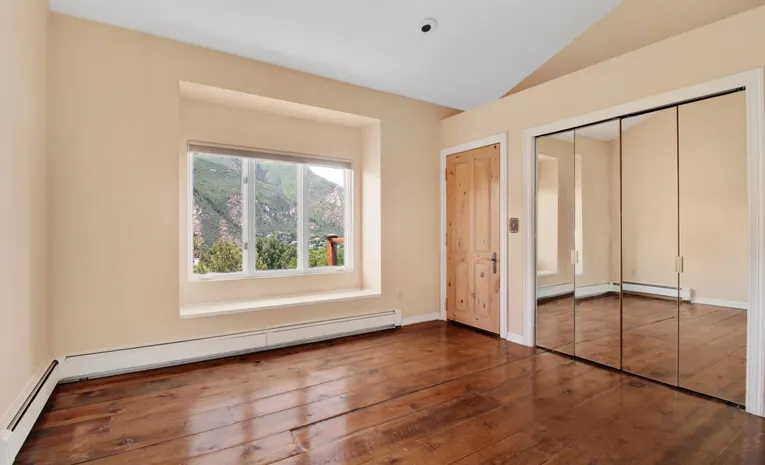
Choosing new flooring involves balancing appearance, budget, durability, and how a room is actually used day to day. With so many materials on the market, laminate, vinyl, engineered wood, solid hardwood, and more, it helps to understand what genuinely separates them before committing to a full room or whole-house refit.
Laminate Flooring
Laminate consists of a photographic image layer of wood or stone under a durable protective coating, over a fibreboard core. It is one of the most affordable flooring options and is designed for straightforward DIY installation using a click-lock system.
Pros: budget-friendly, easy DIY installation, scratch-resistant surface, wide range of styles.
Cons: cannot be sanded or refinished once worn, less tolerant of moisture than vinyl, can feel and sound less premium underfoot than real wood.
Best for: bedrooms, living rooms, and hallways, on a budget-conscious renovation.
Vinyl Flooring (LVT)
Luxury vinyl tile (LVT) has become one of the most popular flooring choices in UK homes, offering genuinely realistic wood and stone effects with excellent water resistance. Vinyl is available in click-lock planks or fully adhered sheets.
Pros: highly water-resistant, comfortable and warmer underfoot than tile, wide design range, durable and low-maintenance.
Cons: lower-quality vinyl can look and feel less premium, cannot be refinished, can be punctured by sharp or heavy furniture without protective pads.
Best for: kitchens, bathrooms, and utility rooms, where water resistance genuinely matters.
Engineered Wood Flooring
Engineered wood consists of a real hardwood veneer layer bonded over multiple layers of plywood or high-density fibreboard. This construction makes it more dimensionally stable than solid hardwood, better able to handle the humidity and temperature swings common in UK homes.
Pros: genuine wood appearance and feel, more stable than solid wood, can usually be lightly sanded and refinished once or twice over its life, suitable over underfloor heating.
Cons: more expensive than laminate or vinyl, still susceptible to water damage, refinishing is limited compared with solid hardwood.
Best for: living rooms and dining rooms where a genuine wood look and feel matters.
Solid Hardwood Flooring
Solid hardwood is a single piece of timber through its full thickness, offering the most authentic look and the longest potential lifespan, since it can be sanded and refinished multiple times over decades.
Pros: can last generations with proper care, adds significant appeal for buyers, can be refinished repeatedly, ages with genuine character.
Cons: the most expensive option, sensitive to moisture and humidity changes, not generally suitable over underfloor heating or in bathrooms and kitchens.
Best for: period properties and living spaces where long-term investment and authenticity matter most.
Comparing Costs
| Flooring Type | Typical UK Cost per m² (Material Only) |
|---|---|
| Laminate | £10 to £25 |
| Vinyl (LVT) | £15 to £40 |
| Engineered wood | £25 to £60 |
| Solid hardwood | £40 to £100+ |
Installation costs add to these figures, and vary depending on subfloor preparation, room shape, and whether you fit it yourself or hire a professional.
Choosing by Room
- Kitchen: vinyl (LVT) for water resistance, or engineered wood if a wood look is preferred and spills are managed promptly
- Bathroom: vinyl, given its water resistance far exceeds any wood-based option
- Living room: engineered wood or solid hardwood for warmth and character, laminate for budget-friendly durability
- Hallway: laminate or vinyl, both handle heavy foot traffic well
- Bedroom: any option works well, since moisture and heavy traffic are less of a concern
Frequently Asked Questions
Is vinyl flooring as good as real wood?
Modern LVT can look remarkably realistic and offers far better water resistance than any wood-based flooring, though it cannot be refinished and generally does not add the same resale appeal as genuine hardwood.
Can I install laminate flooring myself?
Yes, laminate is specifically designed for DIY installation using a click-lock system, making it one of the most accessible flooring types for a confident homeowner to fit without professional help.
Which flooring lasts the longest?
Solid hardwood typically lasts the longest, since it can be sanded and refinished multiple times over decades, whereas laminate and vinyl need full replacement once worn.
Related Reading
About the author: This guide was written by the Routen House editorial team.