
Garden Decking Ideas for UK Gardens
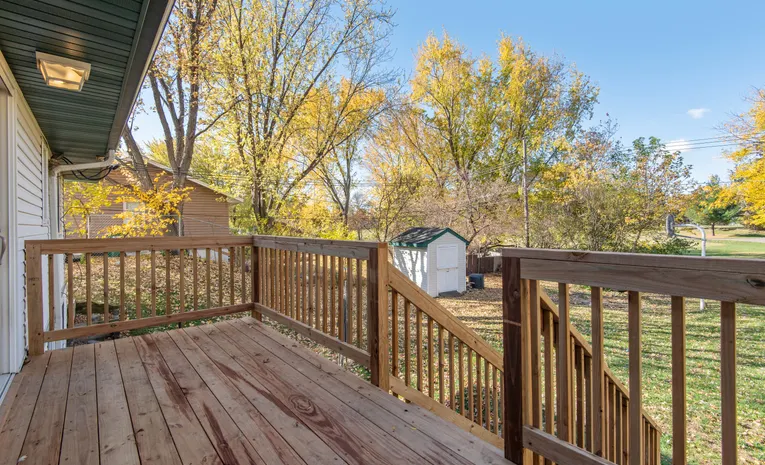
A well-planned deck extends usable outdoor space, creates a natural spot for entertaining, and adds genuine kerb appeal to a UK garden. Whether you are working with a compact courtyard or a larger plot, decking offers a practical, relatively quick way to transform an underused outdoor area into something the whole household actually uses.
Choosing the Right Decking Material
Pressure-Treated Softwood
The most affordable and widely used decking material in the UK. Pressure treatment protects against rot and insect damage, though the timber still needs periodic re-staining or oiling to keep it looking its best.
Hardwood
Denser and naturally more weather-resistant than softwood, hardwood decking has a richer appearance and typically lasts longer, though it comes at a noticeably higher price point.
Composite Decking
Made from a mix of wood fibres and recycled plastic, composite decking resists rot, splintering, and fading far better than timber, and needs minimal maintenance beyond regular cleaning. The higher upfront cost is often offset by lower long-term upkeep.
Planning Your Decking Layout
Consider how the space will actually be used before settling on a shape. A simple rectangular deck suits dining and entertaining, while multi-level decking can help manage a sloped garden and create distinct zones for seating, dining, and planting. Position decking to make the most of afternoon and evening sun, since UK gardens rarely get more sunshine than needed.
Do You Need Planning Permission for Decking?
Most garden decking in England falls under permitted development and does not need planning permission, provided it is no more than 30cm above ground level and does not cover more than 50% of the garden area when combined with other outbuildings. Decking raised higher than 30cm, or positioned to overlook neighbouring properties, may require permission, so it is worth checking with your local council before starting work on anything beyond a simple ground-level deck.
Popular Garden Decking Ideas
Multi-Level Decking for Sloped Gardens
Stepped, multi-level decking turns an awkward sloping garden into distinct, usable zones, connected by simple steps, without the cost of major groundwork or retaining walls.
Built-In Seating
Incorporating bench seating into the edge of a deck saves space compared with freestanding furniture and gives a neater, more integrated finish, particularly useful in smaller gardens.
Decking Around a Feature
Building decking around an existing tree, fire pit, or hot tub creates a natural focal point and makes good use of a space that might otherwise be awkward to landscape.
Mixed Materials
Combining decking with gravel, paving, or planting beds breaks up a large area visually and can help define separate zones within the same garden.
Maintaining Your Decking
- Sweep regularly to prevent leaves and debris trapping moisture against the boards
- Re-oil or re-stain timber decking annually, or as recommended by the manufacturer, to maintain weather protection
- Check for loose boards, screws, or fixings each spring before the outdoor season begins
- Clean composite decking with warm soapy water rather than harsh chemicals, which can affect the surface finish
Frequently Asked Questions
Is composite decking worth the extra cost over timber?
For most households, yes, particularly if low maintenance matters more than upfront cost. Composite decking avoids the annual staining and re-oiling that timber decking needs to stay protected.
Do I need planning permission for garden decking?
Most ground-level decking, under 30cm high and not covering more than half the garden, falls under permitted development in England and does not need planning permission. Always check with your local council if your plans exceed these limits.
How long does timber decking typically last?
Pressure-treated softwood decking typically lasts 10 to 15 years with proper maintenance, while hardwood and composite decking can last considerably longer.
Related Reading
- How to Fix a Wobbly or Leaning Fence Panel
- Corner Summer House: The Perfect Blend of Style and Functionality
About the author: This guide was written by the Routen House editorial team.