
Corner Summer House: The Perfect Blend of Style and Functionality
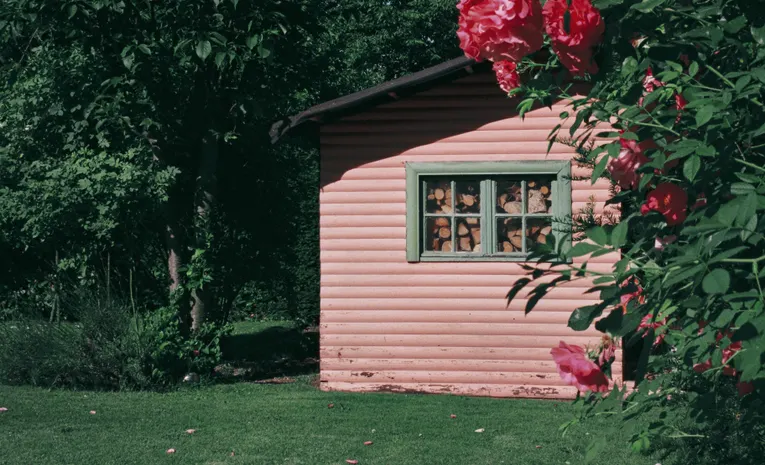
When it comes to making the most of your garden space, a corner summer house is one of the smartest investments you can make. Designed to fit neatly into the corner of your garden, these stylish outbuildings bring together elegance, practicality, and year-round usability. In the UK, where outdoor space is often limited, a corner summer house offers homeowners a chance to create an extra room outdoors without the need for major renovations.
What Is a Corner Summer House?
A corner summer house is a garden building with a triangular or angled design, made to fit snugly into the corner of your outdoor space. Unlike traditional rectangular summer houses, which can dominate a garden, the corner design makes use of available space while leaving the rest of the garden open.
Why Choose a Corner Summer House?
- Space-saving design: Makes use of awkward or underused garden corners
- Stylish look: Modern and traditional designs available to suit any garden
- Multi-purpose: Can be used as a home office, garden studio, gym, or relaxation space
- Adds appeal to a property: A well-built outbuilding is often seen as a desirable feature by buyers
Popular Uses for a Corner Summer House
Home Office
With remote and hybrid working now a permanent part of UK life, many homeowners have converted corner summer houses into dedicated offices. Insulated models with electricity and internet access can rival any room inside the house.
Creative Studio
Artists, writers, and hobbyists often prefer the quiet seclusion of a garden retreat. The natural light from large summer house windows suits painting, crafting, or photography.
Home Gym or Yoga Retreat
Instead of paying for a gym membership, a corner summer house can be converted into a personal fitness or wellness space. Adding mirrors, mats, and light equipment turns it into a calm workout zone.
Entertainment Room
Many families use summer houses as secondary living spaces, great for hosting friends, setting up a games room, or creating a mini home cinema with a projector.
Relaxation Hideaway
Sometimes the best use of a summer house is simply to unwind. Comfortable seating, bookshelves, and plants create the ultimate relaxation nook.
Materials and Design Options
- Wood (timber): A classic choice that blends beautifully with gardens. Needs regular maintenance such as painting or treating, but offers timeless appeal.
- Composite: Low-maintenance, weather-resistant, and modern-looking.
- UPVC or metal frames: Durable and long-lasting, though they may lack the same charm as wood.
Design choices range from traditional pitched roofs with cottage charm to contemporary flat-roofed styles with bi-fold doors and sleek finishes.
Size and Layout Considerations
- Garden size: Small gardens may only allow a 6×6 ft unit, while larger spaces can accommodate 10×10 ft or more
- Purpose: Office or gym use requires more space than a simple seating area
- Access: Ensure doors and windows are positioned for light, ventilation, and easy entry
Many homeowners add decking or a patio outside the summer house, creating a seamless indoor-outdoor flow.
Current Trends in Corner Summer Houses
- Eco-friendly builds: Sustainable timber, recycled materials, and solar panels are increasingly in demand
- Insulated all-year models: More buyers want usable space even in winter
- Smart summer houses: Integration with smart lighting, heating, and voice assistants
- Dual-purpose designs: Partitioned interiors for office use on one side and storage or relaxation on the other
Costs and Budgeting
- Basic models (timber, uninsulated): from around £600 to £1,200
- Mid-range (better timber, larger sizes, some glazing): £1,500 to £3,000
- Premium (insulated, electrics-ready, contemporary design): £4,000 to £10,000+
Installation costs may add to your budget, especially if electrical work, groundwork, or insulation upgrades are needed.
Maintenance and Care
- Treat timber annually with weatherproof paint or stain
- Clean windows and doors regularly
- Keep the roof clear of debris
- Check for damp or leaks after heavy rain
With proper care, a quality summer house can last 20 years or more.
Choosing the Right Supplier
- Check whether the supplier offers pressure-treated timber, which needs less maintenance
- Read customer reviews before committing
- Confirm warranty length, since many reputable suppliers offer 10 or more years
- Consider installation services if you are not confident with DIY assembly
Conclusion
A corner summer house is more than just a garden building. It is a flexible, stylish solution that makes the most of awkward outdoor spaces. Whether you need a home office, a creative studio, or simply a place to relax, it adds usable space and enhances your lifestyle, with current trends pushing towards eco-friendly materials and smart integrations.
Frequently Asked Questions
Do corner summer houses need planning permission?
Most small summer houses do not require planning permission in the UK, but larger or insulated ones may need it. Always check with your local council before building.
Can I use a corner summer house in winter?
Yes. Insulated and electrics-ready models are designed for year-round use, and adding a heater makes them even more comfortable during colder months.
How long does it take to build a corner summer house?
Basic models can be assembled in one to two days with DIY. Larger or premium designs may need professional installation and take longer.
What is the best size for a home office corner summer house?
For a small office, 8×8 ft is usually enough. For bigger setups with storage or meeting space, consider 10×10 ft or larger.
Related Reading
About the author: This guide was written by the Routen House editorial team.