
Creative Gardening Hacks for Home Plant Lovers
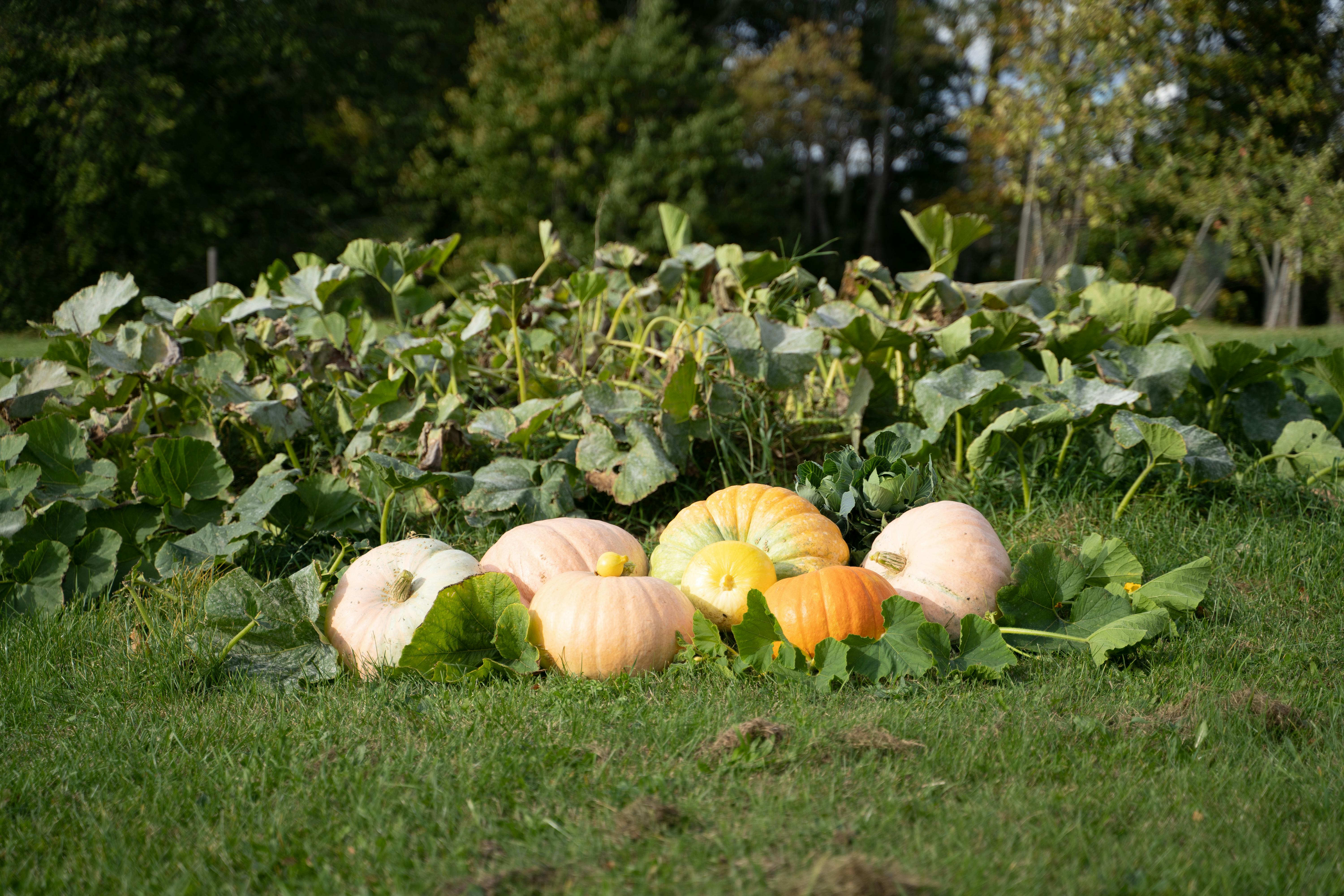
Gardening does not need to be expensive or complicated to get great results. These tried-and-tested tips, passed down through generations of gardeners, use simple household items to solve common problems in the garden, with cut flowers, and with houseplants.
Pest and Weed Control
Natural Insecticide Spray
Add chopped onions and garlic to a jar of water and leave it to stand for a week. Strain and spray the liquid onto affected plants to help deter common pests.
Deterring Garden Pests
Dusting a light layer of talcum powder around the base of vegetable plants can help discourage some crawling pests from reaching your crops.
Killing Weeds in Paving Cracks
Pour boiling salted water directly onto weeds growing between paving slabs or sections of a path. It is an effective, chemical-free way to tackle stubborn growth.
Preventing Weeds Between Bricks
Sprinkling salt between bricks in a path can help prevent weeds and grass taking hold in the gaps.
Cut Flower Care
Making Flowers Last Longer
Add two tablespoons of white vinegar and two teaspoons of sugar to a quart of water to noticeably extend the life of fresh-cut flowers.
Reviving Wilted Flowers
Trim the stems and place wilted flowers in very hot (not boiling) water for a few minutes, then move to fresh, cool water. This can help revive flowers that are starting to droop.
Speeding Up Rosebuds
Add a small lump of sugar to the vase water to help rosebuds open more quickly.
Reducing Marigold Odour
A teaspoon of sugar added to the water in a vase of marigolds can help soften their strong scent.
Handling Thorny Stems
Use a spring clothes peg to hold thorny rose stems steady while cutting or arranging, keeping your fingers well away from the thorns.
Improvised Flower Frogs
Cut the plastic mesh baskets that fruit is sometimes packaged in to fit inside the base of a vase. They work surprisingly well as a support to hold stems in place.
Narrowing a Wide Vase
If a vase is too wide for a small arrangement, stretch clear tape across the opening in a grid pattern to create smaller sections for individual stems.
Supporting Flowers in a Deep Vase
Crumple a paper towel and place it in the bottom of a deep vase to help hold stems in position while also retaining moisture.
Lawn Care
Mowing Height
Let new grass reach at least 6cm before its first cut, and avoid mowing any established lawn shorter than around 4cm, since cutting too short weakens the grass and encourages weeds.
Watering Properly
Light, frequent watering encourages shallow roots that struggle in dry spells. Water thoroughly but less often, so moisture reaches deeper into the soil and encourages stronger root growth.
Vegetable Garden Tips
Gentle Tomato Ties
Cut old tights or stockings lengthways to make soft ties for tomato plants. The stretch and width stop the tie cutting into the stem as the plant grows, unlike thin string or wire.
Washing Fresh Vegetables Outdoors
Replace the base of an old wooden box with chicken wire and use it to hold freshly picked vegetables. Hose them down over this outdoor rack and dirt washes straight through, keeping your kitchen sink clean.
Sowing Seeds Evenly
Fill a clean, empty salt shaker with fine seeds to distribute them more evenly across a seed bed than sowing by hand alone.
Watering New Seedlings
Push a drinking straw gently into the soil next to a seedling and pour water through it. This directs water to the roots without disturbing delicate new growth.
Protecting Small Bushes in Cold Weather
Invert an old bushel basket or similar container over small, vulnerable bushes during a cold snap, anchoring it with pegs pushed over the handles to stop it blowing away.
Houseplant Care
Watering Temperature
Always use room-temperature water on houseplants. Water that is too cold or too hot can shock the roots and stress the plant.
Avoiding Overwatering
Check the topsoil before watering, and hold off if it still feels moist. Overwatering is one of the most common causes of houseplants dying, more so than underwatering in most cases.
Watering While You Are Away
For an extended trip, stand plants in a bathtub on thickly folded newspaper with a few centimetres of water. The pots will draw up water gradually through the drainage holes as needed.
Giving Leaves a Natural Shine
Wipe leaves gently with a cloth carrying a few drops of glycerine for a natural-looking shine, without clogging the leaf’s pores the way some shop-bought leaf shine products can.
Mending a Broken Stem
A small splint made from a toothpick and a strip of tape can support and often save a plant stem that has snapped or bent.
Growing Parsley Indoors
Wet a clean sponge and sprinkle parsley seeds across the surface, then place it on a sunny windowsill. Keep it consistently damp and you will soon have a thick clump of foliage.
A Simple Trellis for Potted Ivy
Bend a wire coat hanger into a loop and push the ends into the soil of a potted ivy to give it something small to climb.
Frequently Asked Questions
Why do my houseplants keep dying even though I water them regularly?
Overwatering is one of the most common causes of houseplant decline. Always check that the topsoil has dried out somewhat before watering again, rather than sticking to a fixed schedule.
Is it safe to use boiling salted water on weeds near other plants?
It is effective on paving and paths, but salt can affect soil health if it runs off into nearby beds or lawn, so it is best kept strictly to hard surfaces like patios and paths.
How short should I cut my lawn?
Avoid cutting established grass shorter than around 4cm. Cutting too short weakens the lawn, makes it more prone to drought stress, and gives weeds more room to establish themselves.
Related Reading
- Corner Summer House: The Perfect Blend of Style and Functionality
- How to Fix a Wobbly or Leaning Fence Panel
About the author: This guide was written by the Routen House editorial team.