
Creating a Stunning Mirror Gallery Wall: Tips, Ideas, and Inspiration
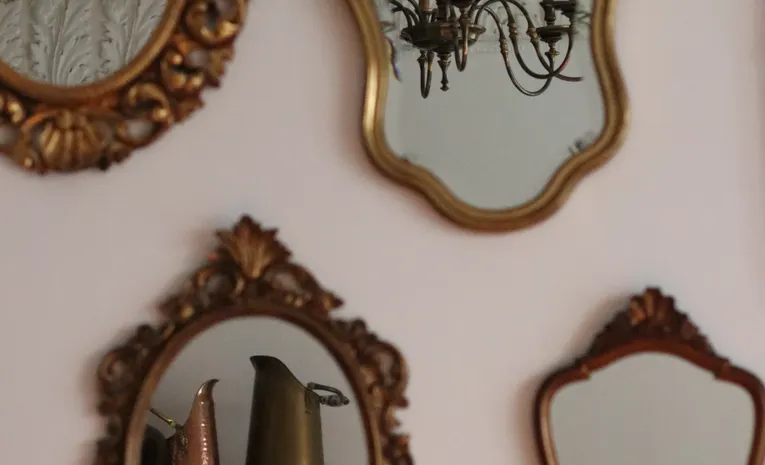
Mirrors are versatile design elements that can transform any room by adding depth, light, and style. One popular way to elevate home decor is by creating a mirror gallery wall. Whether you are designing a focal point in your living room or adding a touch of elegance to a hallway, a thoughtfully curated mirror gallery wall can be a stunning addition to any UK home.
Why Choose a Mirror Gallery Wall?
A mirror gallery wall is not just a beautiful way to decorate; it is also highly functional. Mirrors reflect natural and artificial light, making rooms feel more open and bright, which is particularly useful in the smaller hallways and box rooms common in many UK homes. They create the illusion of more space, making compact rooms look larger and more welcoming. Beyond the practical benefits, mirror gallery walls allow for endless creativity, as you can mix and match frames, shapes, and styles to craft a look that reflects your taste.
Planning Your Mirror Gallery Wall: Key Considerations
Before diving into the layout and design, it is worth thinking through the size, theme, and style of your arrangement so the finished gallery sits well with the rest of the room.
1. Identify Your Wall Space
The wall you choose will shape much of your design. An empty wall in a hallway, above a console table, or behind a sofa are all good locations. In narrow hallways, smaller mirrors avoid overwhelming the space, while larger walls can take bigger mirrors or a fuller arrangement for a bolder statement.
2. Select the Style and Theme
Choosing a consistent theme helps create a cohesive look. A modern mirror gallery wall might feature sleek, frameless mirrors or ones with minimal metallic frames. For a vintage or eclectic feel, mix ornate frames with distressed finishes. The aim is to complement your existing decor while bringing something fresh to the space.
3. Consider Mirror Shapes and Sizes
A gallery wall allows for experimentation with different shapes and sizes, combining round, rectangular, and geometric mirrors for visual interest. To keep things balanced, it is often best to stick with one or two shapes and sizes for a harmonious result.
Step-by-Step: Creating Your Mirror Gallery Wall
Step 1: Map Out the Layout
Before hanging anything, map out the layout on your wall using painter’s tape to represent where each mirror will go, or cut pieces of paper to match each mirror’s size. This gives you a sense of spacing and alignment without drilling any holes.
Step 2: Balance and Symmetry
Not every gallery wall needs to be symmetrical, but some balance is essential. Position larger mirrors toward the centre or bottom of the arrangement to create a grounded look. Symmetrical layouts feel more formal and traditional, while asymmetrical arrangements look more dynamic and modern.
Step 3: Hang Your Mirrors Safely
Mirrors are often heavier than picture frames and need sturdy mounting. Use proper hardware and, where possible, secure mirrors into wall studs or masonry with suitable wall plugs. For particularly heavy mirrors, additional support such as wall anchors or cleats adds peace of mind, especially in high-traffic areas.
Creative Mirror Gallery Wall Ideas
1. Minimalist Monochrome Wall
Select frameless or sleek black-framed mirrors in similar shapes, such as circles or squares. This works well in modern interiors where clean lines are the focus.
2. Bohemian Cluster with Mixed Frames
A boho-inspired gallery wall can mix natural wood, gold, and antique finishes. This eclectic look suits spaces with plenty of texture and colour, such as rattan furniture and woven textiles.
3. Vintage Glamour with Ornate Frames
For a touch of luxury, choose mirrors with ornate, gilded frames in different shapes and let them overlap slightly to form a collage. This style suits classic or vintage-inspired interiors and works well over a mantel or console table.
4. Full-Length Mirror Arrangement
In a bedroom or dressing room, mixing full-length mirrors with smaller ones adds practicality while making the room feel taller and more spacious.
5. Geometric and Modern Shapes
For a contemporary space, combine hexagons, triangles, or abstract mirror shapes for an artistic feel that suits minimalist or mid-century modern interiors.
Enhancing Your Mirror Gallery Wall with Accents
Small shelves between mirrors can display plants or candles, while artwork, sconces, or wall-mounted lights add extra depth and charm to the overall arrangement.
Maintaining Your Mirror Gallery Wall
Regular cleaning keeps mirrors looking their best. Use a gentle glass cleaner and a microfibre cloth to avoid smudges and streaks, and dust frames regularly, particularly ornate ones where dust tends to gather in the detailing.
Frequently Asked Questions
How many mirrors do I need for a gallery wall?
There is no fixed number. Small feature walls can work with three to five mirrors, while larger walls or statement arrangements may use eight or more. The key is balance rather than a specific count.
What is the best height to hang a mirror gallery wall?
Centre the overall arrangement at roughly eye level, around 145 to 155cm from the floor to the middle of the grouping, adjusting slightly depending on the height of the furniture beneath it.
Can I mix different mirror shapes on the same wall?
Yes, though it usually looks best to limit yourself to two or three shapes rather than combining too many, so the arrangement still reads as a cohesive collection rather than a random mix.
Related Reading
- Clever Storage Ideas for a Small Bedroom in the UK
- Best Home Office Desks for Comfort and Productivity
About the author: This guide was written by the Routen House editorial team.