
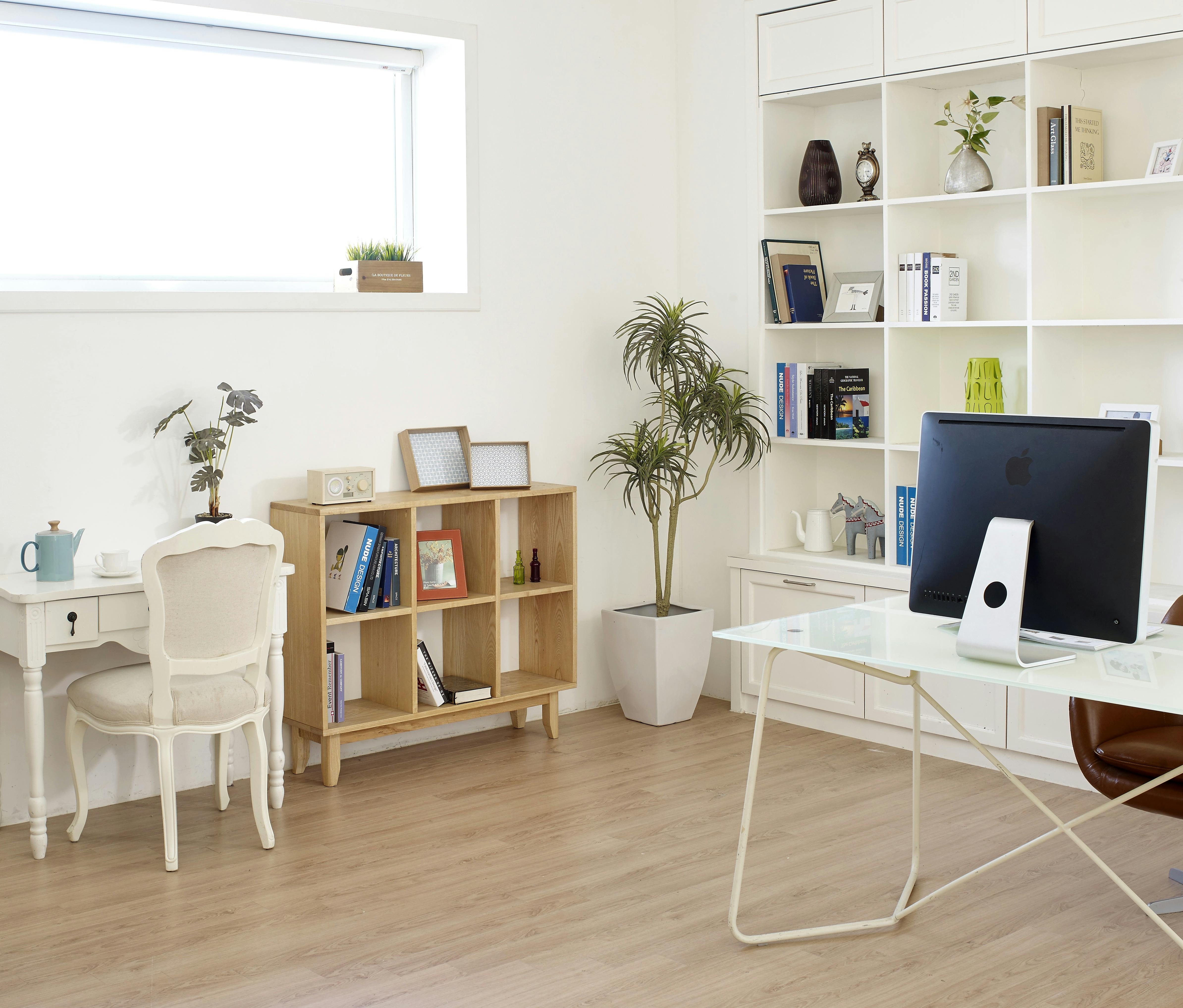
Home Office Desk Ideas: Find the Perfect Workspace Setup for Every Style and Budget
In today’s work-from-home world, a home office desk is more than just a piece of furniture. It is the heart of your productivity, creativity, and comfort. Whether you are a freelancer, student, or remote worker, the right home office desk setup can make a real difference to how organised and focused you feel throughout the day.
Finding the perfect desk can be tricky. Do you need a compact desk for a small space, or are you looking for something that complements your interior? Should you go for an adjustable standing desk or a classic wooden design? This guide explores the best home office desk ideas for every style, budget, and purpose, so you can build a workspace that truly works for you.
Understanding Different Types of Home Office Desks
Choosing the right home office desk begins with understanding the types available. Each one serves a different need, depending on space, budget, and work habits.
Standard Rectangular Desks
The most common type, ideal for almost any home setup. These desks provide a balanced mix of workspace and simplicity, perfect for laptops, monitors, and notebooks.
Corner and L-Shaped Desks
If you need to maximise space, L-shaped desks are excellent for fitting into corners while giving you extra surface area. They suit dual-monitor setups, designers, or anyone handling multiple tasks at once.
Standing and Adjustable Desks
A growing trend for better posture and health. An adjustable home office desk lets you switch between sitting and standing throughout the day, promoting movement and reducing back strain. These desks suit anyone who spends long hours working at a computer.
Floating and Wall-Mounted Desks
Perfect for small flats or minimalist interiors, floating desks are mounted directly onto the wall. They save space and look elegant in compact rooms or shared workspaces.
Compact and Foldable Desks
A small or foldable desk works best in tight spaces or multipurpose rooms. When not in use, it can be folded away, keeping the room open and organised.
Gaming vs Professional Desks
Gaming desks come with cable ports, RGB lighting, and monitor shelves, while professional desks focus on ergonomics and storage. Choose based on how you actually use your workspace.
Choosing a Desk by Need
For Freelancers and Content Creators
A spacious desk with drawers and a cable organiser helps keep gear tidy. Adjustable height and soft lighting improve comfort during long hours of work or video editing.
For Students and Remote Workers
If space or budget is tight, a compact, affordable desk with built-in shelves for books or supplies is a sensible choice, combining practicality with a simple, modern look.
For Executives and Dual-Monitor Users
A large desk with a durable wood or metal frame gives both space and presence. L-shaped or U-shaped desks allow room for files, computers, and accessories.
For Small Flats
Wall-mounted or minimalist desks make a space feel bigger. Pair them with floating shelves and neutral tones for a light, airy feel.
For Shared Workspaces
Modular or double desks fit two users comfortably without clutter, with a central storage unit helping to divide the space neatly.
Desk Styles That Define Your Workspace
Aesthetics matter. Your desk should blend with your home decor while supporting your workflow.
Minimalist and Modern
Clean lines, matte finishes, and hidden storage suit anyone who values simplicity and focus.
Rustic Wooden Desks
Warm, earthy tones create a cosy feel. Solid wood desks with natural grain textures add an organic, grounded look.
Scandinavian Style
A combination of light wood, soft colours, and practical design, often with sleek drawers and subtle legs, suited to a calm and creative environment.
Industrial Metal-Frame Desks
A blend of steel and reclaimed wood, rugged and long-lasting, suited to an urban home office setup.
Vintage or Executive Desks
Elegant wooden frames, intricate details, and rich finishes add character to any space.
Smart Features to Look For
- Cable management systems to keep wires hidden and the workspace clean
- Built-in drawers or organisers for documents or gadgets
- Height adjustability for switching between sitting and standing
- Foldable or portable options for flexible setups or smaller homes
- Eco-friendly materials such as bamboo or recycled wood
Ergonomics and Health Benefits
A desk that looks good is not enough on its own. It should support your body too. Ergonomic home office desks are worth the investment for several reasons.
- Correct desk height, so your elbows form roughly a 90-degree angle while typing
- Eye-level screen alignment to reduce neck strain
- A sensible standing versus sitting balance, since standing periods improve blood flow and energy levels
- Supportive accessories such as a keyboard tray, wrist rest, or ergonomic chair
Over time, ergonomic furniture helps prevent back pain and supports better productivity, making it one of the smarter investments for remote professionals.
How to Organise and Personalise Your Desk
- Keep essentials like your keyboard and mouse centred within easy reach
- Use soft, warm lighting to reduce eye strain
- Add small plants or photos for a touch of nature and motivation
- Hide cords neatly using clips or trays
- Align your monitor at eye level for a clean, ergonomic look
Best Budget and Premium Picks
- Budget desks (under £80): Compact, lightweight options ideal for students or occasional use
- Mid-range desks (£80 to £220): Feature-rich designs with storage, metal legs, and ergonomic shapes
- Premium desks (£220+): Solid wood or sustainable materials with advanced adjustability and durability
Maintenance and Longevity Tips
- Clean wooden surfaces weekly using a damp cloth
- Avoid direct sunlight to prevent colour fading
- Use coasters to protect the finish from cups or bottles
- Tighten screws and inspect joints regularly
- Use anti-rust spray occasionally on metal desks
Environmental and Sustainability Angle
Many brands now produce eco-friendly home office desks made from bamboo, recycled steel, or reclaimed wood. Choosing sustainable materials reduces waste and supports more ethical manufacturing, and these desks often last longer while adding a natural charm to a workspace.
Frequently Asked Questions
What is the ideal desk size for a home office?
For a single computer setup, a desk around 120cm wide works well. For dual monitors, look for at least 150cm.
Are standing desks really worth it?
Yes, for most people. They can improve posture, reduce fatigue, and support focus during long work hours when used as part of a varied sitting and standing routine.
What is the best desk for small spaces?
A wall-mounted or L-shaped desk generally works best for compact areas.
What is the best height for working on a computer?
The top of your monitor should sit at or slightly below eye level, with elbows at roughly a 90-degree angle when typing.
Conclusion
Your home office desk is where ideas take shape, from the first morning coffee to late-night inspiration. Whether you prefer a modern minimalist desk, a rustic wooden setup, or an ergonomic adjustable model, the right choice blends comfort, design, and purpose. A thoughtfully chosen desk is not just a workspace, it is the foundation of daily focus and productivity.
Related Reading
- Teen Bedroom Design Ideas for Style, Study and Storage
- Creating a Stunning Mirror Gallery Wall
- Loft Conversion Ideas: Turning Your Attic Into a Home Office
About the author: This guide was written by the Routen House editorial team.