
How to Create a Pet Friendly Home
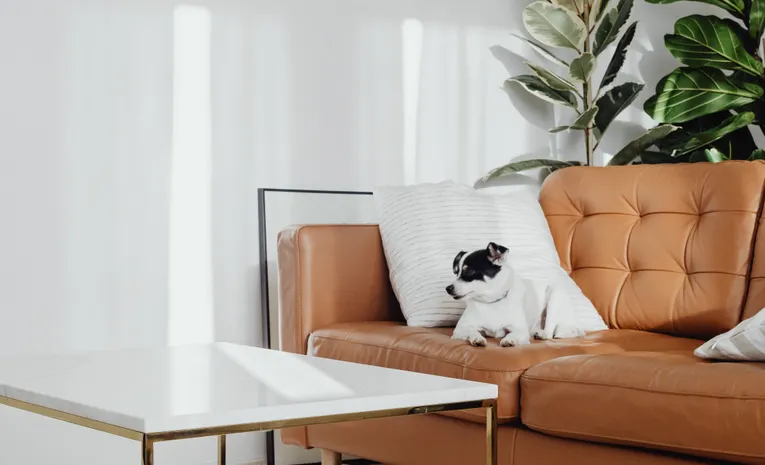
Pets are more than companions. They are beloved family members who deserve a safe, comfortable, and enriching environment. Whether you own a playful puppy, a curious cat, or multiple pets, understanding how to create a pet friendly home can significantly improve their quality of life while making your home more functional and enjoyable.
A well-designed pet-friendly home balances safety, comfort, cleanliness, and style. From selecting durable flooring to creating dedicated pet zones, every decision contributes to a happier living space for both pets and humans.
This comprehensive guide explains everything you need to know about how to create a pet friendly home that supports your pet’s physical and emotional wellbeing.
Why Creating a Pet-Friendly Home Matters
A pet friendly home goes beyond simply providing food and water. Pets spend most of their lives inside your home, making their environment a major factor in their health and happiness.
Benefits of a pet friendly house include:
- Improved safety
- Reduced stress for pets
- Better behavior
- Easier cleaning and maintenance
- Stronger bond between owners and pets
- Enhanced comfort for the entire household
Creating a safe environment for pets helps prevent accidents while encouraging healthy habits and positive interactions.
Start With Pet Proofing Your Home
One of the first steps in learning how to create a pet friendly home is pet-proofing.
Pets naturally explore their surroundings. Unfortunately, many household items can pose serious risks.
Secure Dangerous Items
Store the following items in locked cabinets or elevated spaces:
- Cleaning products
- Medications
- Chemicals
- Pest control products
- Sharp tools
Many common household substances can be toxic to animals.
Protect Electrical Cords
Chewing electrical cords can result in burns, injury, or electrocution.
Use:
- Cord protectors
- Cable organizers
- Furniture barriers
Remove Choking Hazards
Small objects can be dangerous for curious pets.
Keep away:
- Coins
- Batteries
- Small toys
- Jewelry
- Rubber bands
Secure Doors and Windows
Install secure screens and check doors regularly to prevent escapes.
Pet-proofing your home should be an ongoing process because pets often discover new ways to explore.
Choose the Best Flooring for Pets
Flooring plays a major role in any pet friendly home design.
The best flooring for pets should be durable, easy to clean, and resistant to scratches.
Luxury Vinyl Flooring
Luxury vinyl remains one of the most popular options because it offers:
- Scratch resistance
- Water resistance
- Easy maintenance
- Comfortable walking surface
Tile Flooring
Tile flooring provides excellent durability and is ideal for homes with active pets.
Benefits include:
- Moisture resistance
- Easy cleaning
- Long lifespan
Laminate Flooring
High-quality laminate flooring can also perform well in pet-friendly homes when properly maintained.
Add Non-Slip Rugs
Pets need traction to move safely throughout the house.
Strategically placed rugs help:
- Prevent slipping
- Protect joints
- Reduce injuries
- Improve comfort
Select Pet Friendly Furniture
Furniture experiences daily wear from paws, claws, and shedding.
Choosing pet-friendly furniture can save money and extend the life of your furnishings.
Best Materials
Consider:
- Microfiber
- Leather
- Synthetic performance fabrics
These materials resist stains and are easier to clean.
Use Washable Covers
Washable slipcovers offer excellent protection against:
- Fur
- Dirt
- Spills
- Scratches
Avoid Delicate Fabrics
Certain materials require extra care and may not perform well around pets.
Examples include:
- Silk
- Velvet
- Loose weave fabrics
Pet-friendly furniture ideas should combine durability with comfort and aesthetics.
Create Dedicated Spaces for Your Pets
Just like humans, pets benefit from having their own designated areas.
A pet friendly living space includes zones specifically designed for rest, feeding, and play.
Sleeping Area
Choose a quiet location with:
- Comfortable bedding
- Minimal foot traffic
- Consistent temperature
Feeding Station
Create a dedicated feeding area using:
- Easy-to-clean mats
- Elevated bowls when appropriate
- Fresh water access
Play Zone
Interactive play spaces encourage healthy physical activity.
Include:
- Toys
- Scratching posts
- Puzzle feeders
- Climbing structures
These additions support mental stimulation and reduce boredom.
Incorporate Pet-Friendly Home Design Ideas
Modern homeowners no longer need to choose between style and functionality.
Pet-friendly home design ideas can complement virtually any interior style.
Built-In Storage
Organized storage keeps pet supplies accessible while reducing clutter.
Store:
- Leashes
- Toys
- Food
- Grooming supplies
Hidden Litter Areas
Cat owners often benefit from concealed litter box solutions that blend seamlessly into furniture.
Open Layouts
Pets move more comfortably through homes with clear pathways.
Open spaces improve:
- Accessibility
- Safety
- Visibility
A thoughtfully designed pet friendly house feels welcoming for every family member.
Choose Pet Safe Plants
Plants add beauty to your home, but not all are safe for animals.
When selecting pet-safe plants, prioritize non-toxic varieties.
Examples include:
- Spider plants
- Areca palms
- Boston ferns
- Calathea
- Bamboo palms
Avoid toxic plants such as:
- Lilies
- Aloe vera
- Pothos
- Sago palms
Pet safety tips often emphasize plant selection because accidental ingestion can lead to serious health issues.
Improve Air Quality
Air quality affects both pets and humans.
Pet dander, odors, and allergens can accumulate over time.
Use Air Purifiers
High-quality air purifiers help reduce:
- Dander
- Dust
- Allergens
- Odors
Maintain Ventilation
Open windows when possible and maintain proper airflow throughout the home.
Clean Regularly
Routine cleaning helps maintain a healthier indoor environment.
Focus on:
- Pet bedding
- Furniture
- Carpets
- Air filters
Good air quality contributes to a healthier, pet-friendly home.
Design a Safe Outdoor Area
Outdoor spaces can provide valuable exercise and enrichment opportunities.
Secure Fencing
Inspect fences regularly for:
- Gaps
- Damage
- Escape routes
Provide Shade
Pets need protection from excessive heat.
Add:
- Covered areas
- Trees
- Outdoor shelters
Fresh Water Access
Always provide clean water outdoors.
Pet Safe Landscaping
Avoid harmful pesticides and choose pet-safe plants whenever possible.
Pet-friendly backyard ideas create additional opportunities for play and exploration.
Create Mental Stimulation Opportunities
Physical safety is only one part of pet wellbeing.
Pets also require mental enrichment.
Interactive Toys
Rotate toys regularly to maintain interest.
Climbing Opportunities
Cats especially benefit from vertical spaces such as:
- Cat trees
- Wall shelves
- Window perches
Puzzle Feeders
Puzzle feeders encourage problem solving and help reduce boredom.
Mental stimulation supports healthier behavior and improves quality of life.
Make Your Home Comfortable for Senior Pets
Older pets have unique needs.
A truly pet friendly home adapts as pets age.
Orthopedic Beds
Supportive bedding can reduce pressure on joints.
Ramps and Steps
Provide easier access to:
- Sofas
- Beds
- Vehicles
Non-Slip Surfaces
Improved traction helps prevent falls and injuries.
Senior-friendly modifications demonstrate a long-term commitment to your pet’s wellbeing.
Smart Technology for Pet Owners
Technology can make pet care easier and more efficient.
Useful options include:
- Automatic feeders
- Smart water fountains
- Pet cameras
- Smart doors
- GPS tracking devices
These tools provide convenience while supporting pet safety and health.
Emergency Preparedness for Pets
Every pet friendly home should include emergency planning.
Prepare:
- Medical records
- Emergency contacts
- Food supplies
- Medications
- First aid kits
Being prepared helps protect your pet during unexpected situations.
Conclusion
Understanding how to create a pet friendly home involves much more than purchasing a few pet accessories. A truly pet friendly home prioritizes safety, comfort, health, and emotional well-being.
By focusing on pet proofing, selecting durable materials, creating dedicated pet spaces, improving air quality, and providing enrichment opportunities, you can build an environment where pets thrive.
The effort invested in creating a pet friendly house benefits everyone in the household. Your pets enjoy a safer and more enriching life, while you enjoy greater peace of mind and a cleaner, more functional living space.
When you learn how to create a pet-friendly home properly, you create a place where every family member feels secure, comfortable, and loved.