
Wet-Dry Vacuums: What to Look For Before You Buy
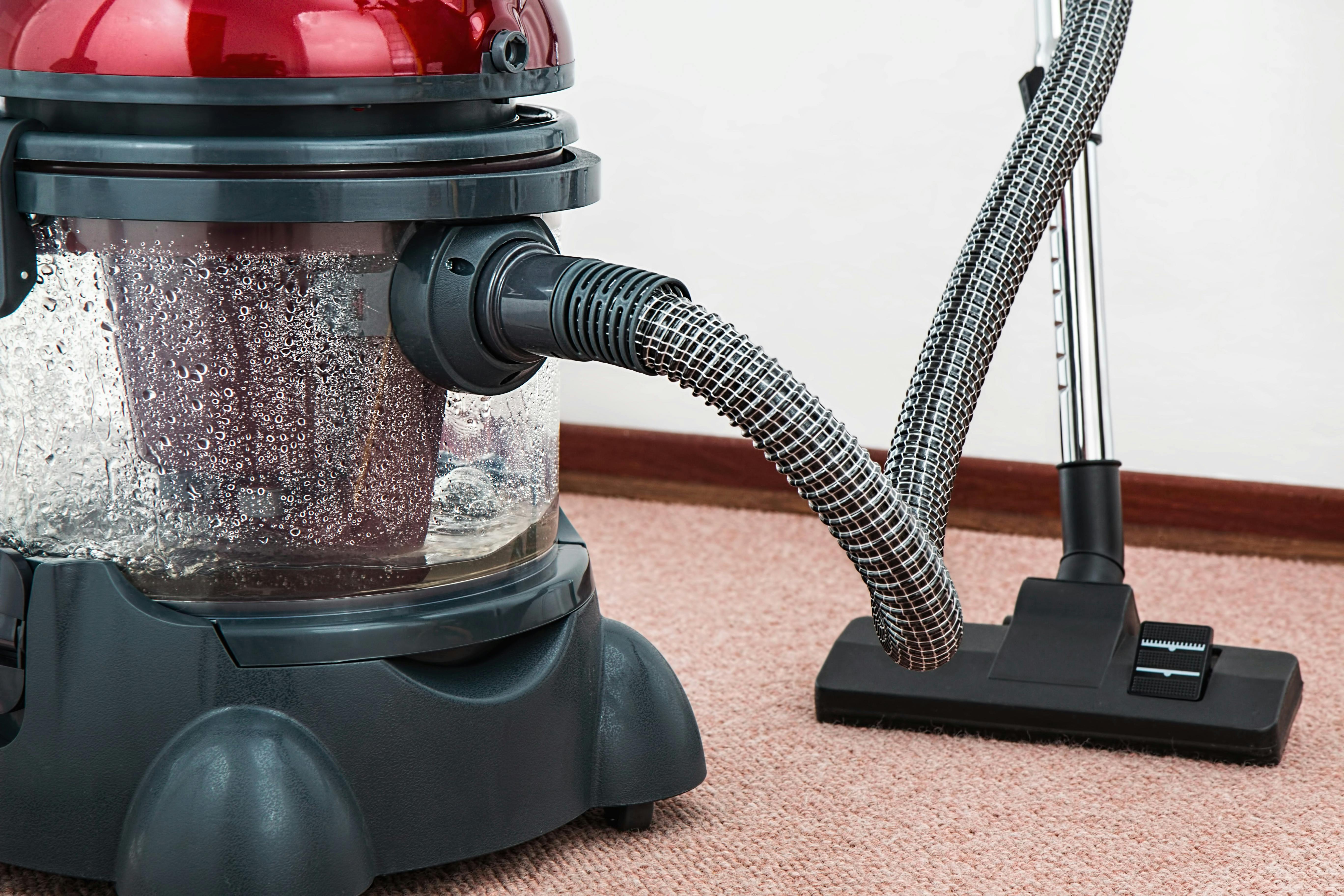
A standard vacuum cleaner works well for dry messes on carpets, hardwood floors, and car interiors, but it will struggle badly the moment liquid is involved. A wet-dry vacuum is built specifically to handle both wet and dry mess with ease, which makes it a genuinely useful tool for a garage, workshop, shed, or utility room where spills, sawdust, and general debris all turn up sooner or later.
Many wet-dry vacuums also double as a blower, giving you a 2-in-1 or 3-in-1 tool that can clear leaves and debris as well as vacuum them up. This guide covers what actually matters when choosing one, so you can pick a model suited to how you plan to use it rather than just going on price alone.
What to Look For in a Wet-Dry Vacuum
Tank Capacity
Smaller tanks, typically 2 to 3 gallons, suit light household use and are easier to carry and store. Larger tanks, from 4 gallons upward, suit workshops, garages, or anyone dealing with bigger clean-up jobs regularly, since you will empty the tank less often.
Motor Power
Motor power is usually given in amps or horsepower, and higher figures generally mean stronger suction, which matters most if you are lifting wet debris, sawdust, or ground-in dirt rather than light surface dust.
Hose Length and Reach
A longer hose, typically 10 to 16 feet on most household models, gives you more reach without having to constantly move the unit itself, which is particularly useful in a garage or workshop where you are cleaning around fixed obstacles like a car or workbench.
Portability
Wheeled models are easier to move around a garage or large space, while smaller, lighter units with a carry handle suit anyone who needs to move the vacuum between rooms, out to a car, or between job sites.
Filter Type
Cartridge filters generally handle fine dust better and are worth prioritising if you plan to vacuum drywall dust, sawdust, or similarly fine debris, since a standard filter can clog quickly or let fine particles through.
Attachments
Crevice tools, upholstery brushes, and wide floor nozzles all extend what a wet-dry vacuum can realistically be used for. If you want a single machine to handle car interiors, garage floors, and the odd household spill, check which attachments are actually included rather than sold separately.
What Wet-Dry Vacuums Handle Well
- Water spills and standing puddles
- Sawdust and workshop debris
- Mud, sand, and garden mess
- Pet hair and general household dust
- Food and drink spills
Drawbacks to Be Aware Of
Wet-dry vacuums tend to be bulkier and heavier than a standard household vacuum, which limits manoeuvrability in tight spaces. They also do not clean deep into carpet fibres the way a dedicated carpet cleaner does, since their job is to lift surface liquid and debris rather than deep-clean a surface. Expect a higher noise level too, along with occasional dust discharge from the exhaust on some models.
Frequently Asked Questions
What is the difference between a wet-dry vacuum and a regular vacuum?
A regular vacuum is designed purely for dry debris and will be damaged by liquid. A wet-dry vacuum is built to safely handle both, often with a blower function included, but it generally costs more and is bulkier than a standard household vacuum.
What can a wet-dry vacuum be used on?
Most wet-dry vacuums can handle dirt, dust, mud, sand, sawdust, pet hair, standing water, and food or drink spills, making them useful well beyond the carpet cleaning most standard vacuums are limited to.
Are there any drawbacks to wet-dry vacuums?
They tend to be heavier and bulkier than a standard vacuum, do not deep-clean carpet fibres the way a dedicated carpet cleaner does, and are generally noisier in use.
What size tank do I actually need?
For occasional household spills, a 2 to 3 gallon tank is usually enough. For a garage, workshop, or regular larger clean-ups, a 4 gallon or larger tank will save you emptying it constantly mid-job.
Related Reading
- Smart Carpet and Floor Cleaning Tips You Can Try Today
- How to Get Blood Out of Carpet: Proven Tips and Techniques
About the author: This guide was written by the Routen House editorial team.