
Moving House Checklist: A Step-by-Step UK Guide
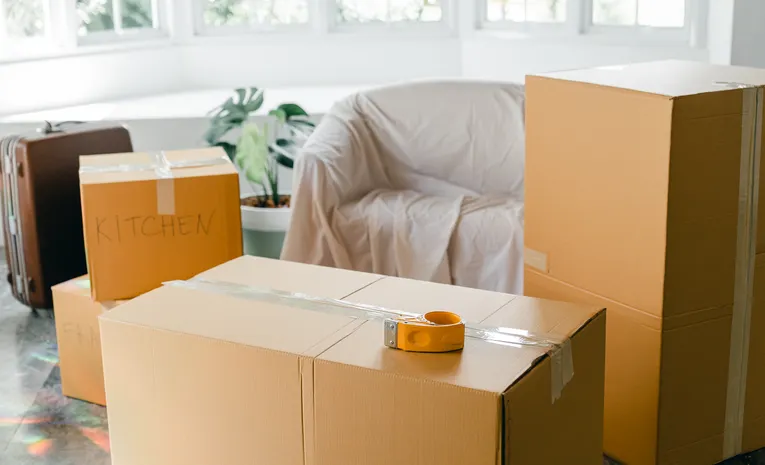
Moving house is consistently rated as one of life’s more stressful events, largely because of how much needs organising in a short window. Working through a structured checklist, starting weeks before moving day rather than scrambling at the last minute, makes the whole process considerably more manageable.
Six to Eight Weeks Before
- Get quotes from several removal companies and book your preferred one, since good movers get booked up quickly, particularly around weekends and month-ends
- Start decluttering room by room, donating, selling, or disposing of anything you do not want to move
- Request a redirection of post through Royal Mail’s Redirection service
- Begin using up food from the freezer and cupboards rather than buying more than you need
Four Weeks Before
- Notify your current and new energy suppliers of your move dates, taking meter readings on the day you leave
- Update your address with your bank, employer, GP, dentist, and any insurance providers
- Arrange broadband and phone line transfer or installation at your new address, since setup can take a couple of weeks with some providers
- Order packing materials: boxes, tape, bubble wrap, and marker pens for labelling
Two Weeks Before
- Start packing non-essential rooms and items you will not need before moving day
- Confirm final details with your removal company, including access arrangements at both properties
- Arrange time off work for moving day if needed
- Register with a new GP surgery and dentist near your new address
- Update your vehicle registration document (V5C) and driving licence address with the DVLA
One Week Before
- Confirm moving day logistics with your solicitor or conveyancer, including expected completion time
- Pack an essentials box, kettle, mugs, toiletries, chargers, a change of clothes, so you are not searching through boxes on your first night
- Defrost the freezer if you are taking it, allowing enough time for it to fully dry out
- Arrange parking permits or notify neighbours if a removal van will need street access at either property
Moving Day
- Take final meter readings at the property you are leaving
- Do a final walkthrough of every room, including lofts, sheds, and garages, before locking up
- Hand over all keys, including spares, to the estate agent or new owners
- Take meter readings again as soon as you arrive at the new property
- Check smoke alarms and locate the stopcock and fuse box at your new home
After the Move
- Register to vote at your new address
- Update your address with the TV licensing authority and any subscription services
- Notify your car and home insurance providers of the change of address
- Register with local schools if you have children moving with you
Who to Notify Checklist
| Category | Who to Update |
|---|---|
| Financial | Bank, building society, pension provider, credit card companies |
| Utilities | Energy supplier, water company, broadband and phone provider |
| Official | DVLA, HMRC, electoral roll, TV licensing |
| Health | GP, dentist, optician |
| Insurance | Home, car, life, and any specialist insurance policies |
| Subscriptions | Online retailers, streaming services, magazine subscriptions |
Frequently Asked Questions
How far in advance should I book removals?
Booking six to eight weeks ahead is generally recommended, particularly for moves happening at weekends or around the end of the month, when removal companies are busiest.
Do I need to take meter readings when moving?
Yes, at both the property you are leaving and the one you are moving into, on the day itself. This ensures you are billed accurately and are not charged for usage after you have left or before you moved in.
What should go in my moving day essentials box?
Basics like a kettle, mugs, tea or coffee, toiletries, phone chargers, a change of clothes, and any medication, so you have what you need immediately without unpacking everything on day one.
Related Reading
About the author: This guide was written by the Routen House editorial team.