
Essential DIY Tool Kit for UK Homeowners
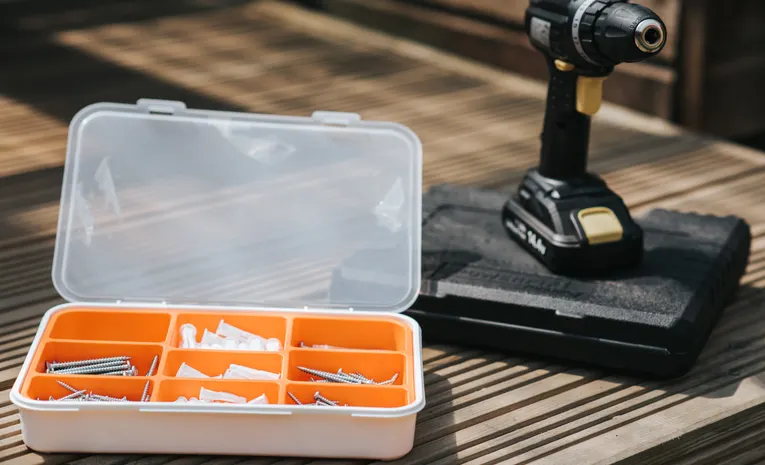
Having the right tools on hand makes the difference between a quick, confident fix and a trip to the hardware shop halfway through a job. You do not need a fully stocked workshop to handle most common household repairs, just a well-chosen set of essentials that cover the vast majority of DIY tasks around a UK home.
Hand Tools Every Home Needs
- Claw hammer: for general fixing, and pulling out nails when something needs undoing
- Screwdriver set (flathead and Phillips, various sizes): the single most-used tool in most households, or a multi-bit screwdriver to cover several sizes in one handle
- Adjustable spanner: covers a range of nut and bolt sizes without needing a full spanner set
- Tape measure (5m minimum): essential for furniture, shelving, and any measuring job
- Spirit level: keeps shelves, pictures, and fittings genuinely level rather than eyeballed
- Utility knife: for cutting everything from packaging to flooring underlay
- Pliers (combination and long-nose): gripping, bending, and cutting wire
- Allen key set: covers flat-pack furniture and many modern hinges and fittings
Power Tools Worth Investing In
- Cordless drill driver: the single most valuable power tool for a homeowner, covering drilling and driving screws for the vast majority of DIY tasks
- Jigsaw: versatile for cutting wood, laminate, and other materials to size
- Multi-tool (oscillating tool): useful for detail cutting, sanding, and scraping in tight spaces a full-size tool cannot reach
A cordless drill driver alone covers most drilling and fixing tasks a typical household will ever need, making it the single best first power tool purchase for a new homeowner.
Fixings and Fastenings
- An assorted screw and wall plug set, covering common sizes for shelving, curtain rails, and general fixing
- Picture hooks and hanging wire
- Cable clips for tidying loose wiring
- A stud and cable detector, to safely locate what is hidden inside a wall before drilling
Safety Equipment
- Safety glasses, for any cutting, drilling, or hammering task
- Work gloves
- A dust mask, particularly for sanding or cutting materials that generate fine dust
- A basic first aid kit kept in the same place as your tools
Useful Extras Worth Adding Over Time
- A hacksaw for cutting metal, plastic, or pipe
- A putty knife or filling knife, for patching small holes and cracks
- Sandpaper in a few different grits
- A staple gun, for upholstery, insulation, and general fixing jobs
- A step ladder, for anything above easy reach
Storing and Organising Your Tools
A dedicated toolbox or wall-mounted pegboard keeps tools visible and accessible, saving time hunting for the right item mid-project. Keeping fixings sorted by size in a small parts organiser, rather than loose in a drawer, similarly saves considerable frustration on future jobs.
Building Your Kit on a Budget
Rather than buying a large pre-assembled tool set, many of which include tools you will rarely use, it is often better value to buy a smaller core set of quality hand tools and add specific items as projects come up. Budget-friendly starter kits from UK retailers such as Screwfix, Wickes, and B&Q typically cover the essentials listed above for a reasonable combined cost.
Frequently Asked Questions
What is the single most useful tool for a new homeowner?
A cordless drill driver is generally considered the most versatile and frequently used tool, covering both drilling and driving screws for the majority of everyday DIY tasks.
Do I need a full toolbox to get started with DIY?
No. A modest set of core hand tools, a drill driver, a tape measure, screwdrivers, and basic fixings, covers most common household tasks. Specialist tools can be added as specific projects require them.
Should I buy corded or cordless power tools?
Cordless tools offer far more convenience for general household use, since you are not tethered to a socket. Corded tools remain useful for heavier, sustained use, but for most homeowners cordless is the more practical choice.
Related Reading
About the author: This guide was written by the Routen House editorial team.