
Smart Home Technology: A Practical Guide for UK Homes
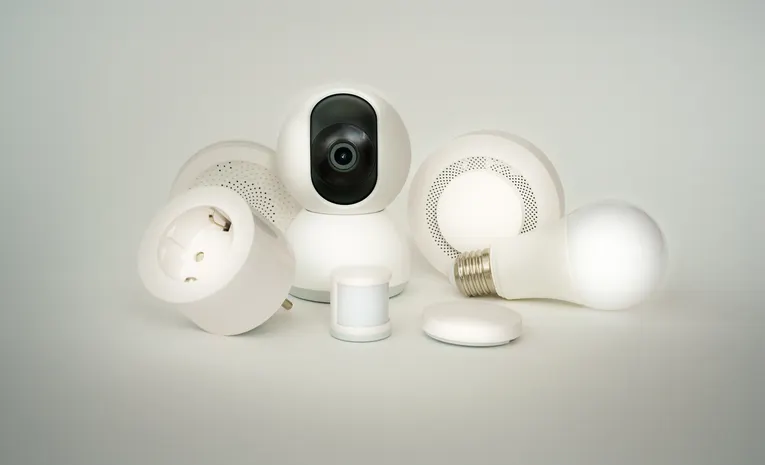
Smart home technology has moved from a novelty into genuinely practical home improvement territory. From heating that learns your routine to lighting you can control from your phone, the right devices can save money, add convenience, and make a home more comfortable, without necessarily costing a fortune to get started.
Smart Thermostats
A smart thermostat is one of the most cost-effective smart home upgrades available. It learns your household’s routine, lets you control heating remotely from your phone, and can reduce energy waste by avoiding heating an empty house. Many UK models integrate directly with combi boilers and system boilers, and some energy suppliers offer installation support or discounts as part of a wider tariff.
Smart Lighting
Smart bulbs and switches let you control lighting remotely, set schedules, and adjust brightness or colour temperature to suit the time of day. Beyond convenience, scheduled lighting can also make a home look occupied while you are away, adding a low-cost layer of home security alongside a dedicated home security system.
Smart Speakers and Hubs
A smart speaker or hub acts as the central control point for many smart home setups, letting you control lighting, heating, and other connected devices by voice or app rather than juggling several separate apps. When choosing one, check which smart home ecosystem your other devices already use, since not every hub supports every brand.
Smart Plugs
One of the cheapest ways to start automating a home, a smart plug lets you schedule or remotely control any appliance plugged into it, from lamps to fans, without needing to replace the appliance itself.
Do Smart Home Devices Actually Save Money?
Smart thermostats and scheduled lighting can meaningfully reduce energy waste when used consistently, particularly in larger households where heating and lighting are easily left running in empty rooms. The savings are less about any single device and more about the cumulative effect of better control across the whole home.
Building a Smart Home Step by Step
- Start with a smart thermostat, since heating typically represents the largest share of a UK home’s energy bill.
- Add smart lighting in the most-used rooms before expanding to the rest of the house.
- Introduce a smart speaker or hub once you have two or three connected devices to manage centrally.
- Layer in security devices, such as a video doorbell or camera, once the basics are in place.
Compatibility and Setup Considerations
Before buying, check that any new device is compatible with your home’s existing setup, particularly your wifi router’s range and your chosen smart home ecosystem. Older properties with thick walls can sometimes cause connectivity issues for devices placed in far corners of the house, which is worth testing before committing to a full room-by-room rollout.
Frequently Asked Questions
Is a smart thermostat worth it for a small flat?
Yes, though the savings will be more modest than in a larger property. The convenience of remote control and scheduling still applies regardless of property size.
Do smart home devices need a fast internet connection?
Most smart home devices work fine on a standard home broadband connection. What matters more is a stable wifi signal reaching every device, particularly in larger or older properties.
Can I mix smart home devices from different brands?
Many devices work across ecosystems thanks to shared standards, but not all do. Checking compatibility before buying avoids ending up with a device that cannot talk to the rest of your setup.
Related Reading
About the author: This guide was written by the Routen House editorial team.