
How to Improve Your Home’s EPC Rating: A UK Guide
An Energy Performance Certificate (EPC) rates a home’s energy efficiency from A (most efficient) to G (least efficient), and it matters more than many homeowners realise. A better rating can mean lower energy bills, a stronger position when selling, and in some cases is a legal requirement for landlords letting a property. Improving your EPC rating does not have to mean a complete renovation, and several of the most effective changes are relatively affordable.
Why Your EPC Rating Matters
Around a quarter of heat in an uninsulated UK home is lost through the roof alone, which is one of the reasons loft insulation consistently ranks among the most cost-effective improvements available. Beyond the practical benefit of lower bills, buyers and tenants increasingly factor EPC ratings into their decisions, and landlords in England and Wales are legally required to meet a minimum EPC rating of E to let a property.
Loft and Roof Insulation
The recommended depth for loft insulation in the UK is 270mm, yet a significant proportion of homes with lofts have considerably less than this, particularly properties over 30 years old. Topping up existing insulation to the recommended depth is one of the simplest and most cost-effective EPC improvements available, and many properties are suitable for straightforward DIY installation. If your loft is already cluttered with years of accumulated dust and old material, our guide to loft vacuuming covers clearing the space before new insulation goes in.
Wall Insulation
Cavity wall insulation is generally the most cost-effective option for properties built with a cavity wall, typically homes constructed after the 1920s. Solid wall properties, common in older Victorian and Edwardian housing stock, need either internal or external wall insulation instead, which is a larger and more expensive undertaking, but can deliver a significant EPC improvement.
Draught-Proofing
Sealing gaps around doors, windows, and floorboards is one of the cheapest ways to improve energy efficiency, and the improvement is often noticeable within days rather than months. See our full guide on how to draught-proof your home for a room-by-room breakdown.
Heating System Upgrades
An old, inefficient boiler drags down an EPC rating considerably. Upgrading to a modern condensing boiler, or in some cases a heat pump, can improve both the rating and ongoing running costs. Smart heating controls, which allow more precise, zoned control of when and where a home is heated, also contribute positively to an assessment.
Windows and Doors
Single-glazed windows are a common reason for a poor EPC rating in older properties. Upgrading to double or triple glazing improves both the rating and comfort, though this is one of the more expensive changes on this list. Where full replacement is not affordable, secondary glazing offers a cheaper partial improvement.
Renewable Energy Additions
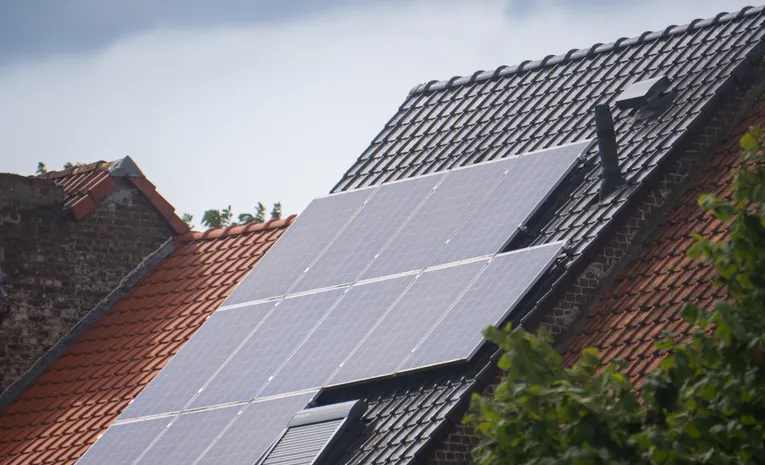
Solar panels, though a larger upfront investment, can significantly boost an EPC rating while reducing reliance on grid electricity over the long term. Various grant schemes and financing options exist in the UK to help offset the initial cost, though eligibility criteria change periodically, so it is worth checking current government guidance before committing.
Grants and Support Available
Various UK government schemes exist to help homeowners fund energy efficiency improvements, though eligibility and available funding change over time. Local authorities and energy suppliers sometimes run their own schemes too, offering free or subsidised loft insulation to eligible households. It is worth checking current eligibility directly with your local council or energy supplier, since criteria vary by council tax band and household circumstances.
Frequently Asked Questions
How often does an EPC need renewing?
An EPC is valid for 10 years in the UK. It is worth renewing sooner if you have made significant efficiency improvements and want the certificate to reflect the updated rating.
What is the minimum EPC rating for a rental property?
Landlords in England and Wales are currently required to meet a minimum EPC rating of E to legally let a residential property, though this requirement has been subject to periodic government review.
What is the single most cost-effective EPC improvement?
Topping up loft insulation to the recommended 270mm depth is consistently one of the cheapest improvements relative to the EPC and energy-bill benefit it delivers, particularly in older properties with under-insulated lofts.
Related Reading
About the author: This guide was written by the Routen House editorial team.