
Toilet Cleaning Tips for a Sparkling Bathroom
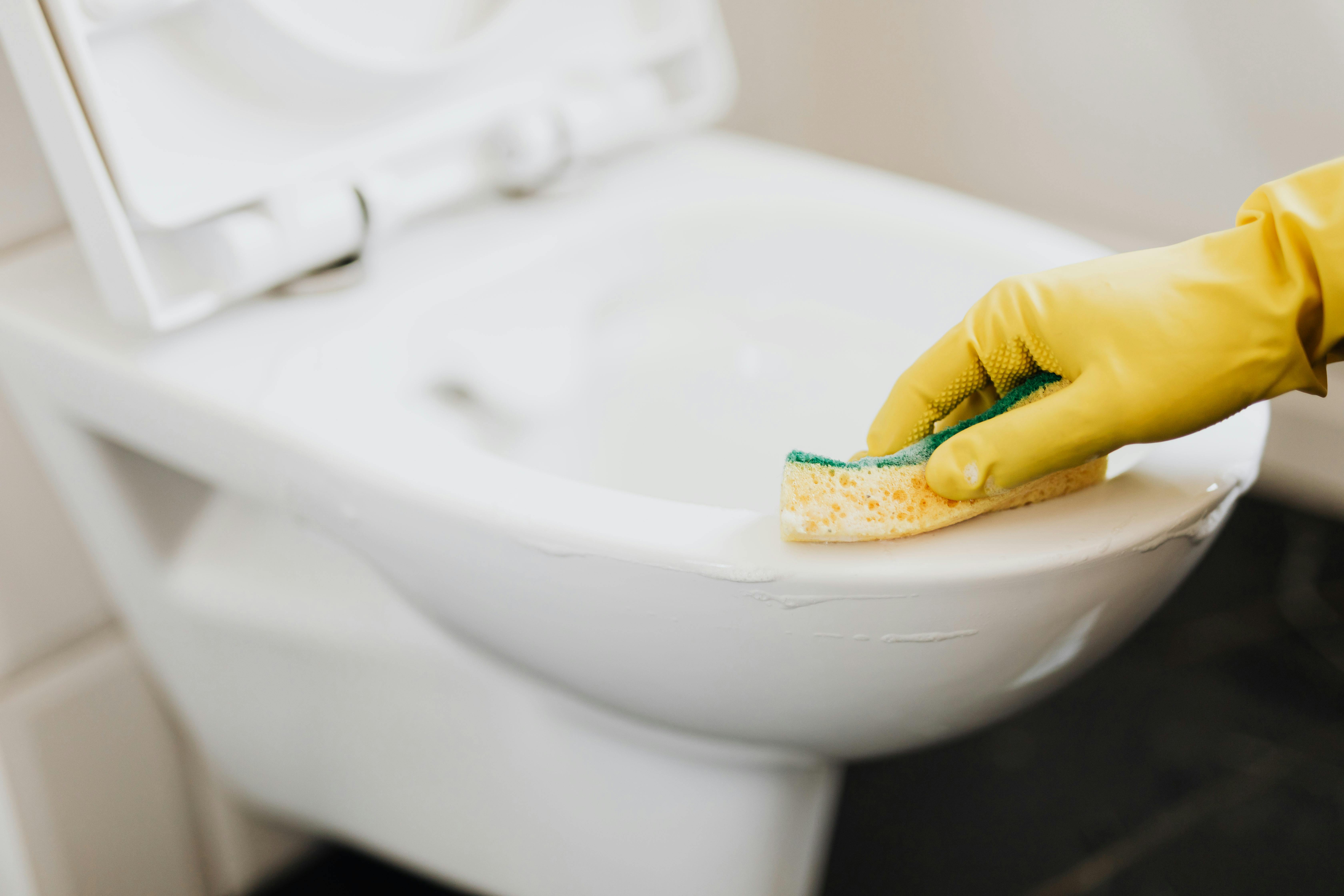
A clean toilet is about more than appearances. Regular cleaning keeps bathroom hygiene in check and helps prevent the build-up of limescale, staining, and bacteria that can otherwise take hold over time. This guide covers practical techniques, natural alternatives to harsh chemicals, and how to tackle even stubborn, long-standing stains.
Essential Tools for Toilet Cleaning
- A sturdy toilet brush with stiff bristles, replaced every six months or so as bristles wear down
- A toilet-specific cleaner, either a gel or liquid formula designed to cling to the bowl
- Disposable or washable cloths kept exclusively for bathroom cleaning
- Rubber gloves
- A pumice stone or specialist limescale remover for stubborn mineral deposits
How to Clean a Toilet Properly, Step by Step
- Apply toilet cleaner generously around the inside of the bowl, including under the rim, and leave it to work for the time stated on the product, usually a few minutes.
- Scrub thoroughly with the toilet brush, paying particular attention to the waterline and under the rim, where limescale and staining build up most.
- Flush to rinse the bowl, then wipe down the exterior, including the base, hinges, and flush handle, with a separate cloth and a general bathroom cleaner.
- Clean the seat and lid on both sides, since the underside is just as prone to germs as the top.
- Finish by wiping down the cistern and any surrounding surfaces that may have been splashed during cleaning.
Cleaning the toilet at least once a week, with a quick wipe-down more often in busier households, keeps on top of most build-up before it becomes stubborn.
DIY Natural Toilet Cleaners
For anyone looking to reduce their use of harsh chemicals, a few household staples can be surprisingly effective:
- Baking soda and vinegar: sprinkle baking soda around the bowl, follow with white vinegar, leave for around fifteen minutes, then scrub and flush. The reaction helps lift grime and reduce odours.
- Vinegar for limescale: undiluted white vinegar left to sit on limescale deposits for an hour or more, then scrubbed, can help dissolve mineral build-up around the waterline.
- Borax paste: mixed with a small amount of water, borax paste applied and left overnight can tackle particularly stubborn staining before an ordinary scrub.
Tackling Stubborn Stains
Hard water staining and limescale, common in areas with harder water, often need more than a standard cleaner to shift. A pumice stone, used gently and always kept wet, can lift stubborn limescale without scratching porcelain, provided you avoid non-porcelain surfaces where it may cause damage. For very persistent staining, a dedicated limescale remover left to work for the full recommended time, followed by thorough scrubbing, usually gets the best results.
Keeping the Toilet Seat Hygienic
The toilet seat, both top and underside, deserves as much attention as the bowl itself. Wipe both sides with an antibacterial cleaner during every clean, and consider a specific seat cleaner if yours shows signs of yellowing or persistent marks over time.
Five Habits to Keep Your Toilet Cleaner for Longer
- Give the bowl a quick brush every few days rather than waiting for a full weekly clean
- Close the lid before flushing to reduce airborne bacteria settling on nearby surfaces
- Wipe up splashes around the base and seat as soon as you notice them
- Use a toilet cleaner block or gel between full cleans to help control limescale build-up
- Ventilate the bathroom well, since good airflow reduces the damp conditions that encourage mould and mildew
Are Self-Cleaning Toilets Worth It?
Self-cleaning toilets, which use built-in systems to rinse or sanitise the bowl automatically, have become more widely available in recent years. They can reduce the frequency of manual scrubbing needed, though they generally come at a higher upfront cost and still benefit from periodic manual cleaning for areas the automatic system does not reach, such as the seat and exterior.
Frequently Asked Questions
How often should a toilet be deep cleaned?
A thorough clean once a week is generally enough for most households, with a quick wipe-down of high-touch areas like the seat and flush handle more frequently in busier homes.
Is vinegar safe to use on a toilet regularly?
Yes, undiluted white vinegar is safe for regular use on porcelain and is effective against limescale, though it should not be mixed with bleach-based products, since combining the two can produce harmful fumes.
What causes stubborn brown staining in a toilet bowl?
This is usually mineral build-up from hard water, sometimes combined with rust from ageing pipework. A dedicated limescale remover or a pumice stone, used carefully, is typically the most effective way to shift it.
Related Reading
- Why Bleach Is Not the Best Solution for Household Mould Removal
- Essential Furniture Care and Repair Tips for Every Home
About the author: This guide was written by the Routen House editorial team.